Lowkey

What does lowkey mean?
Lowkey is a popular slang term used to describe something that's done discreetly, subtly, or without drawing attention.
When someone uses "lowkey" in conversation or on social media, they're typically indicating that they want to keep something understated, private, or minimally publicized.
The term has evolved from simply meaning "quiet" or "subdued" to becoming a versatile expression that helps convey nuance in digital communication where tone can be difficult to interpret.
In the fast-paced world of social media engagement, understanding terms like "lowkey" helps brands better connect with audiences, especially younger demographics who frequently use this kind of vernacular in their everyday communications.
Origin and evolution of lowkey
The term "lowkey" (sometimes written as "low-key" or "low key") originated from African American Vernacular English (AAVE).
It initially described something that was modest, restrained, or not flashy—essentially the opposite of "highkey," which means overt or intense.
Over time, as social media trends evolved, "lowkey" migrated from in-person conversations to digital communication, where it gained widespread popularity, particularly among Gen Z and millennials.
The term became especially common on platforms like Twitter, Instagram, and TikTok, where brevity and slang help convey complex emotions efficiently.
Like many slang terms that enter the social media lexicon, "lowkey" has undergone semantic broadening, meaning its usage has expanded beyond its original definition.
How is lowkey used on social media?
On social media platforms, "lowkey" functions as a versatile linguistic tool that helps users express their thoughts with added nuance. Understanding these nuances can greatly enhance your social media content strategy when targeting younger audiences.
Common usages of lowkey slang
- Expressing subtle emotions: "I'm lowkey excited about the new album drop" (meaning excited but not making a big show of it)
- Sharing opinions discreetly: "Lowkey, I think this movie is overrated" (offering an opinion without wanting to be too vocal or controversial)
- Admitting to something: "I lowkey spent too much money this weekend" (a subtle confession)
- Indicating secret or hidden desires: "I'm lowkey hoping it rains so I can cancel my plans" (expressing a desire that might not be socially acceptable to state directly)
- Downplaying interest: "I'm lowkey interested in learning more about cryptocurrency" (expressing interest without fully committing)
When creating content for social media platforms, understanding these contextual uses of "lowkey" can help brands sound more authentic and relatable to younger audiences.
Lowkey vs. highkey: Understanding the difference
"Lowkey" and "highkey" function as opposite expressions in social media vernacular. While lowkey implies subtlety and understatement, highkey refers to something intense, obvious, or done overtly.
Examples contrasting lowkey and highkey:
- "I'm lowkey into this new band" (suggesting a casual interest) vs. "I'm highkey obsessed with this new band" (expressing an intense enthusiasm)
- "Let's keep this party lowkey" (meaning small and intimate) vs. "This is highkey the best party of the year" (openly declaring it as exceptional)
- "I lowkey want to change careers" (indicating a quiet consideration) vs. "I highkey need a new job right now" (expressing an urgent desire)
Understanding these distinctions can help marketers better navigate social media conversations and create more effective engagement strategies.
How to use lowkey effectively in social media marketing?
When incorporating slang terms like "lowkey" into your social media marketing strategy, authenticity is key.
Here are some tips for brands looking to use this terminology effectively:
Best practices for brands
- Know your audience: Only use slang like "lowkey" if it aligns with your target demographic. It works well with younger audiences but might confuse older demographics.
- Stay authentic: Don't force slang into your content if it doesn't fit your brand voice. Brand authenticity on social media is crucial for building trust.
- Keep it casual: "Lowkey" works best in casual, conversational content rather than formal announcements or serious topics.
- Monitor usage trends: Slang evolves quickly. What's popular today might be considered outdated tomorrow. Use social media analytics tools to track engagement with your content.
- Test and learn: Try using "lowkey" in different contexts and measure audience reactions using social media engagement rate metrics.
Using social media management tools like ContentStudio can help you schedule and monitor the performance of posts that incorporate slang terms to see what resonates with your audience.
Examples of lowkey in different contexts
In casual conversations
- "I lowkey miss school sometimes."
- "This restaurant is lowkey the best in town."
- "I'm lowkey stressed about this deadline."
In social media posts
- "Lowkey obsessed with this new phone case"
- "Just lowkey celebrating my promotion"
- "Lowkey need a vacation right now #worklife"
In marketing and brand communications
- "Our new feature is lowkey revolutionary. Try it out and see for yourself."
- "Lowkey the best deal we've ever offered. Don't miss out."
- "This product lowkey changed our customers' lives. Check out the reviews."
For brands looking to connect with younger audiences, understanding how to incorporate terms like "lowkey" into your social media copywriting can significantly improve engagement.
Common mistakes when using lowkey
Using slang incorrectly can damage your brand voice and make your content feel inauthentic. Here are some common mistakes to avoid:
- Overusing the term: Using "lowkey" too frequently makes your content seem forced and inauthentic.
- Using it inappropriately: "Lowkey" doesn't fit in all contexts, especially formal or serious communications.
- Misunderstanding the meaning: Using "lowkey" when you actually mean "highkey" or another term altogether.
- Not adapting to evolving usage: Slang changes quickly, and yesterday's cool term might be today's outdated expression.
- Ignoring your brand voice: If "lowkey" doesn't align with your established brand personality, forcing it into your content can confuse your audience.
Avoiding these pitfalls requires staying informed about current social media trends and understanding the evolving language of your target audience.
Conclusion
"Lowkey" has evolved from a simple adjective meaning "quiet" or "subdued" to a versatile slang term that helps users express subtle emotions, preferences, and opinions on social media. Understanding its usage and context is valuable for brands looking to connect authentically with younger audiences.
While incorporating slang like "lowkey" can help humanize your brand and make your content more relatable, it's essential to use it naturally and appropriately. As with all social media strategies, balance and authenticity are key.
By staying tuned to linguistic trends and understanding the nuances of terms like "lowkey," brands can create more effective social media content plans that resonate with their target audiences and drive meaningful engagement.
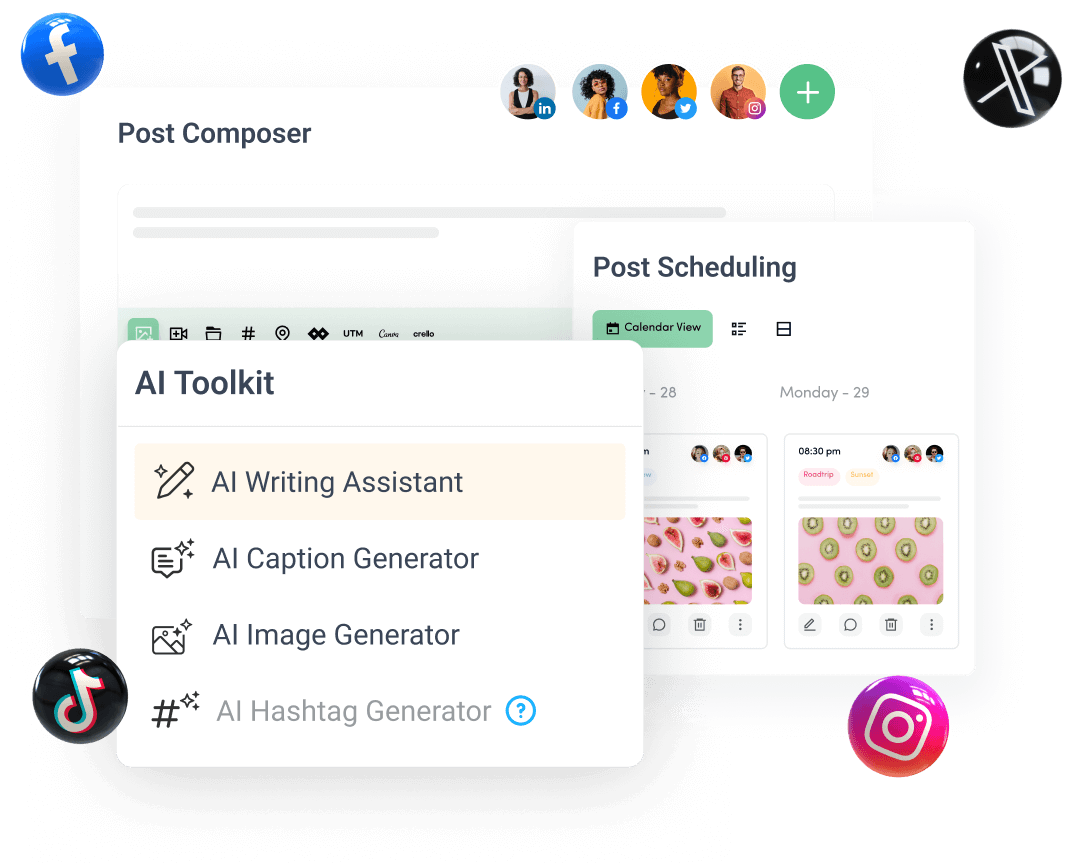
Create, plan, schedule, and publish posts on all social media networks