95% of marketers use AI. Only 39% see better performance. The gap isn’t the AI
Oct 7, 20268 minutes

Written by
Esha ShabbirUpdated
![How do Instagram Reels work? Complete guide for creators and businesses [2026]](https://internal-blog.contentstudio.io/wp-content/uploads/2022/05/Instagram-Reels-1.jpg)
Instagram Reels are short-form vertical videos that appear in your feed, on the Explore page, and in the dedicated Reels tab. They’re the only Instagram format that actively distributes your content to people who don’t follow you yet.
That single distinction is why Reels have become the default growth tool for brands and creators in 2026. A feed post stays within the orbit of your existing audience. A Reel can reach people who’ve never heard of your brand, based entirely on how they interact with similar content.
This guide covers what you need to actually use Reels effectively, from how the algorithm works to how to create, schedule, and troubleshoot them.
Instagram Reels are full-screen vertical videos you can film inside the Instagram app or upload from your camera roll. Unlike Stories, they don’t disappear after 24 hours. They live permanently on your profile and remain eligible for distribution for days or even weeks after posting.
When you publish a Reel, Instagram doesn’t push it straight to your followers. It first tests the content with a small group of non-followers to gauge initial engagement. If that test group responds well, by watching to the end, sharing, or liking it, the algorithm expands distribution to a larger pool of users. This testing model is what separates Reels from every other format on the platform.
Reels appear in four places on Instagram:
Because the Explore page and the Reels feed are both recommendation-driven surfaces, a single Reel can keep accumulating views for days after it was published. A feed post typically peaks within 24 to 48 hours. A Reel with strong early engagement signals can resurface again and again.
The Reels algorithm ranks content based on three signals confirmed by Instagram head Adam Mosseri: watch time, DM shares (sends per reach), and likes per reach. Watch time is the strongest signal by a significant margin.
Understanding these signals changes how you approach Instagram marketing. Reach no longer depends on how many followers you have. It depends on how people behave when they watch your content.
The algorithm measures both completion rate and replay rate. A Reel watched to completion by 1,000 people gets more distribution than one watched halfway through by 10,000 people. The critical first threshold is the 3-second mark. Instagram weighs heavily whether viewers keep watching past it.
If half your audience drops off within the first few seconds, the algorithm reads that as a signal to limit distribution, no matter how many views the Reel accumulates overall.
When someone shares your Reel via DM to another person, Instagram treats it as the strongest quality signal for non-follower reach. Mosseri confirmed in 2025 that sends carry 3 to 5 times more weight than likes when deciding whether content reaches new audiences.
The practical implication: create content people want to send to someone specific, not just content they want to double-tap and scroll past.
This is a ratio metric, not a raw count. A Reel with 50 likes from 500 impressions outranks one with 200 likes from 10,000 impressions. Instagram measures what percentage of viewers actively engaged, not the total number who did. This signal matters more for connected reach with your existing followers than for reaching new audiences.
“Your Algorithm” launched in December 2025 and gives every Instagram user a personal dashboard showing the topics the platform thinks they care about. Users can remove topics and add new ones. For creators, this means your Reel needs to clearly fit a topic category your target audience has already selected. Content that doesn’t map to a recognizable category gets deprioritized in recommendations.
Trial Reels lets you test a Reel with non-followers before it goes to your own audience. You get real engagement data from the test group before the content appears on your profile, making it a low-risk way to validate a creative idea without affecting your follower feed.
Creating a Reel that travels beyond your followers comes down to a handful of concrete decisions, most of them made before you hit record. The algorithm rewards structure and viewer behavior. Production quality matters far less than most guides suggest.
Your opening frame needs to do one of three things: present a compelling question, show an unexpected visual, or state a specific value upfront that makes stopping feel like a loss.
Text overlays in the first second help on both fronts. They give the algorithm something to categorize and give viewers an immediate reason to keep watching.
For most content types, 15 to 60 seconds is the optimal range. The algorithm normalizes for length and compares your completion rate against Reels of similar duration. A 90-second Reel that holds viewers to the end outperforms a 20-second Reel that loses half the audience by second 10.
Shorter is not automatically better. Completion rate is the metric that matters.
Reels using trending audio get surfaced on that audio’s discovery page, an additional distribution channel beyond the usual Explore and Reels feeds. Trending sounds also signal to the algorithm that the content is current.
That said, the audio has to fit the content. Forced trend-chasing produces low completion rates, which limits distribution rather than expanding it.
Before filming, ask honestly: would someone send this to a specific person they know? Content with a counterintuitive insight, a useful shortcut, or a clear payoff gets shared via DM at a higher rate than content that’s just well-produced. Plan for shareability as deliberately as you plan the hook.
Your caption helps the algorithm categorize your Reel and match it to the right audience. A well-structured hashtag strategy for Reels uses a mix of niche-specific tags and mid-range discovery tags rather than defaulting to the most popular hashtags, where the competition is too dense for most accounts to surface.
Keep the caption itself conversational. State what the Reel covers in plain terms and ask a question if it fits naturally, since questions drive comments, which contribute to conversation depth, a signal Instagram has weighted more heavily in 2026.
Once your Reel is filmed and ready, posting time matters. Using an Instagram scheduler lets you plan and queue Reels in advance and post each one at your audience’s peak activity window without manually timing every upload.
Reels, Stories, and TikTok all use short-form video, but they serve different functions. Treating them as interchangeable wastes the specific distribution advantage each format offers.
Here’s how the three formats divide across the signals that matter most for businesses:
| Format | Primary reach | Visibility | Best used for |
|---|---|---|---|
| Instagram Reels | Non-followers via discovery | Permanent | Reaching new audiences |
| Instagram Stories | Existing followers | 24 hours | Retention and relationship |
| TikTok | Non-followers, aggressive algorithm | Permanent | High viral ceiling, younger demographics |
Stories are for staying connected with people who already follow you. Reels are for reaching people who don’t. TikTok’s algorithm is more aggressive about pushing content to non-followers, but it operates on a different platform with different content norms and a different audience composition.
The stories vs. Reels breakdown is clearest in the engagement numbers: Reels consistently outperform Stories for reaching new audiences, while Stories retain higher engagement rates from existing followers. For most businesses, the right approach is Reels for reach and Stories for retention. One expands the audience. The other keeps it.
The standard Reel spec is 1080×1920 pixels at a 9:16 aspect ratio. Use MP4 or MOV format with H.264 video encoding at 30fps, with a maximum file size of 4GB. Beyond those basics, the Instagram Reel dimensions and specs that trip up most accounts relate to safe zones and the way different surfaces crop your video differently.
Three spec issues that cause problems regularly:
The best time to post is when your specific audience is most active. Early mornings (6 to 9am) and evenings (7 to 9pm) in your audience’s time zone are a reliable starting point, though optimal Instagram posting times shift significantly by industry, audience age, and account size.
One principle matters more than any specific time window: recency. Instagram prioritizes fresh content in the first 30 to 60 minutes after publishing. A Reel that lands when your followers aren’t active misses the early engagement window that triggers wider distribution.
To find your actual best posting window:
A sustainable posting cadence for most businesses is three to four Reels per week. Fewer than that limits your data. More than five or six per week typically produces creative fatigue without proportional reach gains.
Reels are a distribution mechanism. They get people to your profile for the first time. What happens after that view depends on everything else: your bio, your content mix, and your offer. A Reel with 5,000 views and zero profile visits hasn’t grown your business. A Reel with 500 views and 40 profile visits might have.
Once you’re posting consistently, a social media management tool connects your planning, scheduling, and performance data in one place. That makes it easier to spot which content formats are driving profile visits and follows, the intent signals, rather than just view counts.
Content types that consistently perform well for business accounts:
The numbers worth tracking are profile visits and follows, not view counts alone. Views are a reach signal. Profile visits and follows are intent signals, and those are what show whether Reels are actually working for your business.
Consistent underperformance on Reels almost always comes down to one of four causes.
If you’re losing most viewers within the first few seconds, the algorithm interprets that as a signal to limit distribution, no matter how good the rest of the Reel is. Try leading with the payoff, an unexpected visual, or a specific question, and retest with a new version rather than trying to boost the existing one.
Instagram has actively downranked Reels containing TikTok watermarks since 2023. The algorithm detects the watermark and reduces distribution accordingly. Export from your original file before cross-posting, rather than downloading from TikTok directly.
Posting twice in one week and going quiet for 10 days sends a weak signal. Consistency matters more than volume. Three Reels per week, every week, builds momentum faster than seven in one week followed by silence.
Instagram now lets users actively opt into and out of content categories. If your Reel doesn’t clearly fit a topic your target audience has selected, it gets deprioritized in their recommendations. Topic mismatch is the most commonly overlooked reason why Reels stop getting views, particularly for accounts that are posting consistently but losing reach. State your topic explicitly in the hook and caption. Don’t leave category matching up to the algorithm’s interpretation.
Across all four causes, completion rate, sends per reach, and profile visits in your Reel performance metrics give a more honest read of where distribution is breaking down than likes alone.
Reels work because the algorithm is looking for evidence that your content created value for the viewer. Every signal it tracks is a proxy for that question: watch time, DM shares, and completion rate. If your video got shared, watched to the end, and saved, the algorithm’s answer is yes.
The accounts that grow aren’t necessarily producing the most polished content. They’re producing content that holds attention and gets sent to a friend. That’s the standard worth building toward.
Start with your hook. Build a consistent posting schedule. Let your Insights tell you what’s resonating. The rest of the strategy fills in from what the data shows.
Reels are vertical short-form videos that Instagram first tests with non-followers, then distributes more widely based on watch time, DM shares, and likes per reach. Strong early engagement pushes a Reel to the Explore page and Reels feed, where it reaches audiences who don’t follow you.
You can record up to 90 seconds inside the Instagram app. Uploading from your camera roll supports longer durations, but Instagram recommends keeping Reels under 3 minutes for non-follower distribution.
The standard spec is 1080×1920 pixels at a 9:16 aspect ratio, in MP4 or MOV format at 30fps. Keep important visuals centered. Instagram crops the top and bottom of the frame when a Reel appears in the main feed.
Yes. Third-party tools including ContentStudio let you compose, schedule, and publish Reels directly to Instagram. You can plan a full week of content in one session and post each Reel at the right time automatically.
Distribution depends on early engagement signals, particularly completion rate and DM shares. Reels that hold viewers past the 3-second mark and get forwarded via DM reach non-follower audiences faster. Most high-reach Reels pair a strong hook with content people would send to a specific person.
Reels are permanent and distributed to non-followers through Explore and the Reels feed. Stories disappear after 24 hours and only reach people who already follow you. Reels grow your audience. Stories maintain the relationship with the audience you already have.
Three to four Reels per week is a sustainable cadence for most accounts. Consistency over time matters more than posting volume in any given week, and creative quality tends to drop sharply when frequency is pushed beyond what your production process can support.
Plan 0 Days of Content in 0 Minutes
Create, schedule, publish and analyze your content across all your social media channels from one simple dashboard.
4.7 on Capterra • 16,500+ marketers trust ContentStudio
Esha Shabbir is a content marketer at ContentStudio, specializing in social media strategy, SEO-led content, and editorial workflows for marketing teams. She writes practical, research-backed content that helps marketers understand what to publish, how to organize their content, and how to build a more consistent social media presence.
View all posts by Esha ShabbirRecommended for you
95% of marketers use AI. Only 39% see better performance. The gap isn’t the AI

How to run a holiday campaign calendar from chat with OpenClaw
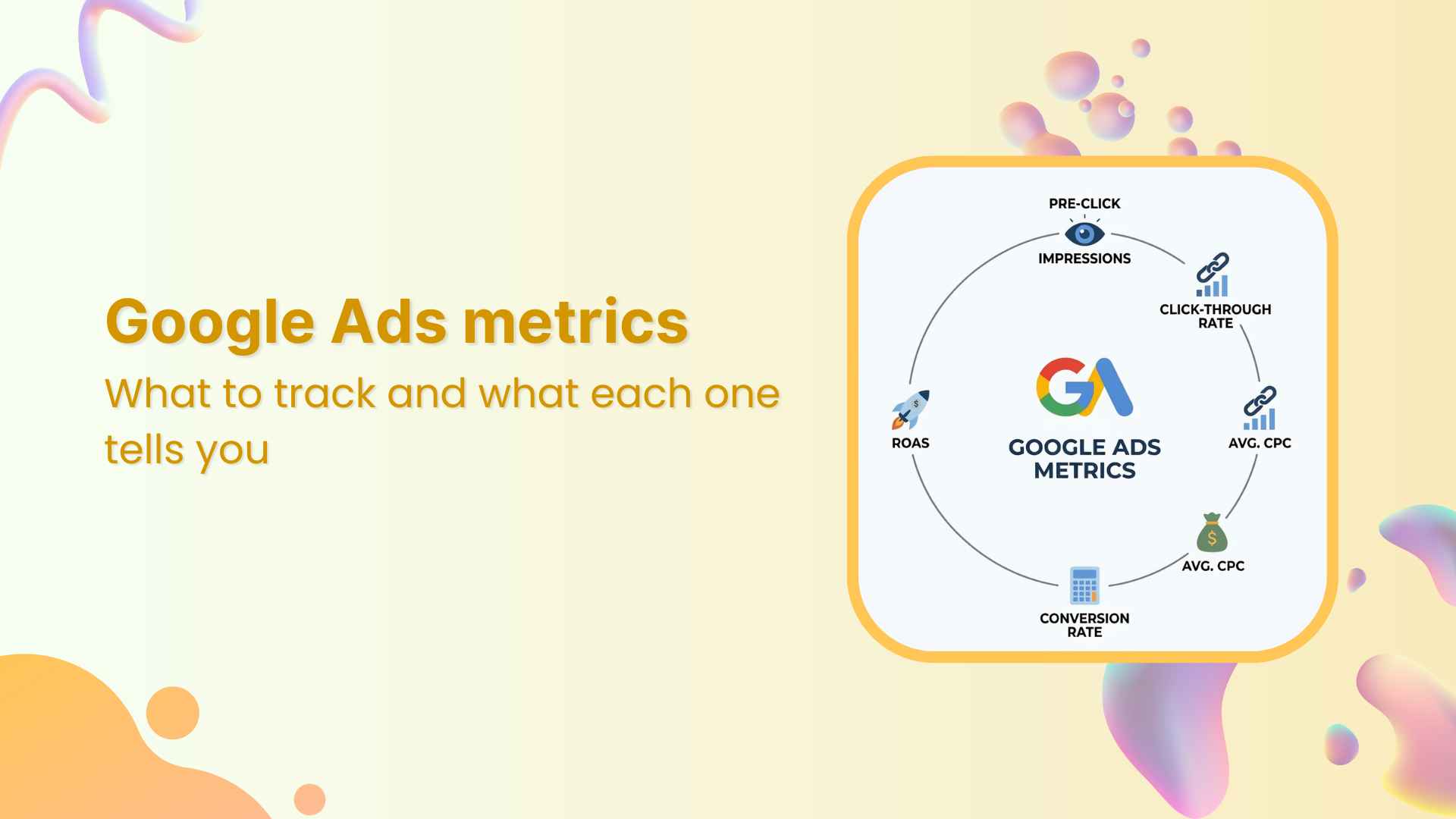
Google Ads metrics: What to track and what each one tells you
10 social media goals for marketers