Bluesky marketing 101: Custom feeds, starter packs, and growth
Nov 11, 2026
Black Friday: save up to 50% on all plans

Written by
Wasiq NaeemUpdated
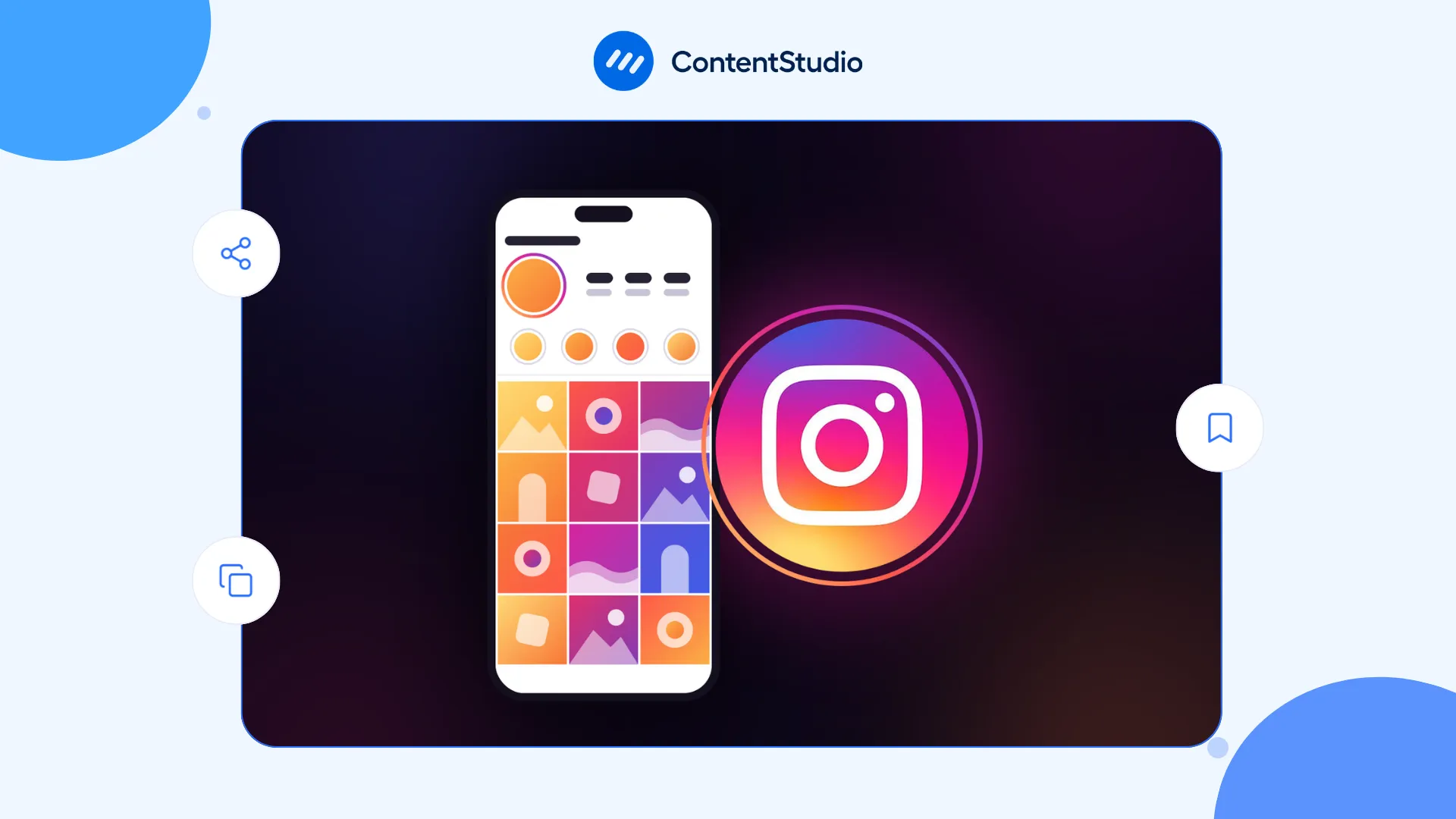
An Instagram feed planner is a tool that shows you how your profile grid will look before you publish. You drag posts, Reels, and carousels into a preview, rearrange them until the grid looks right, and schedule everything to go live on its own.
That matters more in 2026 than it did a few years ago. Instagram crossed 3 billion monthly active users in September 2025, according to Meta CEO Mark Zuckerberg. Your profile grid is often the first thing a new visitor judges you by, and they decide in seconds whether to follow, buy, or bounce.
This guide covers why feed planning still pays off, what changed on Instagram’s grid recently, what to look for in a planner, and the eight best tools to try this year. If you want the bigger picture first, our guide to Instagram marketing walks through the full strategy.
Two big updates reshaped feed planning over the last two years. If your planning habits predate them, your grid probably looks a little off.
In January 2025, Instagram replaced its classic 1:1 square thumbnails with a taller 4:5 portrait layout. Older square posts now get cropped at the top and bottom on your profile.
The rollout caught a lot of creators off guard. Instagram head Adam Mosseri admitted the team was “not giving people enough of a heads up,” as reported by the Inquirer. He also explained that taller thumbnails fit how people already shoot: vertical photos and vertical video.
What this means for you: design posts at 1080 x 1350 pixels and keep text and faces inside the center of the frame, so nothing important gets cut off in the grid.
In June 2025, Instagram announced that users can reorder posts on their profile grid, as reported by TechCrunch. Before that, the grid was strictly chronological, and pinning up to three posts was the only way to control what showed at the top.
Reordering helps, but it is a fix after the fact. A feed planner lets you get the order right before anything goes live, which saves you from shuffling posts around in public.
Planning your feed turns a random stream of posts into a profile that tells people who you are at a glance. Here are five concrete reasons to do it.
Your profile is a highlight reel of your brand. When you plan the order of posts, you can mix product shots, behind-the-scenes moments, customer stories, and educational carousels so the grid reads like a narrative, not a pile of uploads.
People remember brands that look the same every time they show up. Picking a color palette, a filter style, and a font set, then sticking to them, makes your posts recognizable in a crowded feed. Our guide to building an Instagram aesthetic breaks down how to choose one.
A planned feed makes it easy to balance formats. You can see at a glance if you have posted four Reels in a row with no carousels, or three promotional posts back to back. Balanced variety keeps your audience interested, and engagement follows.
Instagram rewards accounts that show up regularly. When your content is planned and scheduled weeks ahead, you stop missing days because of a busy week. Read how the Instagram algorithm ranks content to see why consistency matters.
Most accounts in any niche post whatever is ready that day. A planned grid with a clear visual identity instantly looks more professional, which makes people more likely to trust you, follow you, and buy from you.
The Instagram feed has two sides, and it helps to keep them separate.
The home feed is what your followers scroll. It is ranked by Instagram’s algorithm, which looks at signals like how often someone interacts with you, how recent the post is, and how much engagement the post gets. Order of posting does not guarantee order of viewing here.
The profile grid is your account’s public portfolio. It shows your posts in a three-column grid of 4:5 thumbnails, newest first unless you pin or reorder posts. This is the part a feed planner helps you control.
Formats matter in both places. Carousels now hold up to 20 photos or videos, and Reels appear in the grid alongside photos. Learn how to build both in our guides to the Instagram carousel and how to make a Reel on Instagram.
The best Instagram feed planner does more than show a preview. Use this checklist when comparing tools.
Here are eight tools worth a look this year, from all-in-one platforms to simple visual planners.
ContentStudio is a social media management tool built for creators, brands, and agencies that want to plan, create, and publish from one place. Its Instagram scheduler covers feed posts, carousels, Reels, and Stories, so your whole grid lives in one dashboard.
The Grid planner lets you drag upcoming posts and Reels into a live preview of your feed before anything publishes. Once the layout looks right, Auto publish takes over.
Key features:
If video is part of your mix, the AI Clip Maker takes a long video like a podcast or webinar, finds the best moments, and cuts them into short captioned clips ready for Reels. Solo creators can also use evergreen recycling and branded reports for sponsors. See the full setup for social media management for creators.
Best for: creators, marketers, and agencies who want feed planning, AI content creation, and publishing in one tool.
Preview is a mobile-first app built around the Instagram grid. You upload photos, drag them around a mock profile, and test how each layout looks before posting. It also includes filters, editing tools, and hashtag suggestions.
Best for: individual creators who mainly plan from their phone.
Planoly started as one of the first visual Instagram planners and is still popular with creators and small businesses. It offers a drag-and-drop grid, scheduling, and a link-in-bio page for driving traffic.
Best for: small businesses that sell through Instagram and want a simple visual planner.
Later combines a visual Instagram planner with scheduling across several networks. Its media library and drag-and-drop calendar make batch planning easy, and it adds a link-in-bio tool and analytics.
Best for: brands that want a visual planner plus support for a few other platforms.
Plann focuses on strategy as much as design. Along with a grid preview and scheduler, it offers content prompts and planning templates to help you decide what to post, not just when.
Best for: solo creators who want guidance on content ideas alongside planning.
Tailwind began as a Pinterest tool and later added Instagram scheduling. It includes a grid preview, hashtag suggestions, and AI-assisted design and copy features.
Best for: small businesses that market on both Pinterest and Instagram.
Sked Social is built for marketing teams that publish a lot of visual content. It supports feed posts, carousels, Reels, and Stories, with a visual grid preview and collaboration tools.
Best for: in-house marketing teams that need approvals and shared calendars.
Hopper HQ offers a straightforward grid planner with drag-and-drop scheduling and bulk upload. Its clean interface makes it easy to plan a few weeks of content quickly.
Best for: users who want a no-frills planner that does the basics well.
Once you pick a planner, follow this process to build a feed that looks good and performs well.
A great Instagram feed rarely happens by accident. With the grid now using taller 4:5 thumbnails and posts open to reordering, planning ahead is the easiest way to keep your profile polished without constant fixes after posting.
Pick a planner that shows a live grid preview, publishes automatically, and helps you create content faster. Then follow a simple routine: plan your pillars, mix your formats, schedule in batches, and review your results every month.
Ready to see your next month of posts before they go live? Plan, preview, and publish your entire Instagram grid with ContentStudio’s Grid planner, AI Studio, and Auto publish, all from one dashboard.
Start by defining your brand identity and choosing a consistent color palette. Then plan content pillars, mix photos, carousels, and Reels, and use an Instagram feed planner to preview and arrange posts before scheduling. Review performance monthly and adjust.
ContentStudio is a strong pick if you want a grid planner, AI content creation, auto publishing, and analytics in one place. Preview and Planoly work well for simple, mobile-first visual planning.
Not a full one. Professional accounts can schedule posts and Reels natively in the app, and since 2025 you can reorder posts on your profile grid. There is no built-in preview of how future posts will look in your grid, which is why many people use a dedicated feed planner.
Use 1080 x 1350 pixels (a 4:5 ratio) for feed posts. That matches the current profile grid, so your thumbnails show in full without awkward cropping.
Yes. Instagram rolled out grid reordering in 2025, so you can move published posts around your profile. Planning the order in advance is still easier, since it keeps your grid looking right from day one.
Wasiq Naeem is a Senior Content Strategist at ContentStudio and a research-driven content and digital marketing veteran. He writes on social media strategy, analytics, audience growth, and competitor analysis, covering topics like best posting times and competitor mapping. As a senior editor, he also reviews and fact-checks articles for depth and accuracy.
View all posts by Wasiq NaeemRecommended for you
Bluesky marketing 101: Custom feeds, starter packs, and growth
Agorapulse pricing 2026: What a team really pays beyond the per-user price

How to run a holiday campaign calendar from chat with OpenClaw
Google Ads metrics: What to track and what each one tells you


Plan, create and publish to 12 social channels
Up to 50% off on every plan
Offer ends in:
 Claim your deal
Managing social media doesn't get cheaper than this