95% of marketers use AI. Only 39% see better performance. The gap isn’t the AI
Oct 7, 20268 minutes

Written by
Hassaan KhanUpdated

The best Instagram Reel hashtags are niche-specific tags that accurately describe your video content, used in sets of 3 to 10 rather than 20 or more. A focused, relevant hashtag set extends your Reel’s reach to new audiences by giving Instagram a clear signal about who should see your content.
Instagram’s handling of hashtags has matured considerably. Today the platform reads hashtag relevance alongside your caption language, audio track, and engagement history to classify a Reel and decide where it gets distributed. That makes tag selection a precision task, and getting it right still moves the needle in 2026.
This guide covers 100+ hashtags by niche, a five-step research process, and best practices for placement and mix.
Instagram Reel hashtags are keywords prefixed with # that categorize your video and connect it to relevant audience searches and interest feeds. Instagram uses these tags alongside your caption and content signals to classify your Reel and determine which non-followers to surface it to.
Understanding how Instagram Reels work as a distribution format helps clarify why tag relevance matters more than tag volume. Here’s what Instagram actually does with your hashtags:
This is why tagging a cooking Reel with #entrepreneur because that tag gets traffic produces worse results than tagging it with #weeknightrecipes. How the algorithm categorizes content determines whether your Reel reaches the right people or gets buried in the wrong feed.
Hashtag strategy is one of the most controllable inputs in marketing on Instagram. You can’t control the algorithm, but you can give it accurate information about your content. That’s what well-chosen hashtags do.
Instagram recommends 3 to 5 relevant hashtags per Reel. Creator data consistently shows that 3 to 10 niche-specific tags outperform larger sets of generic trending ones for both reach and engagement.
The shift away from volume-first hashtag strategy happened around 2021 when Instagram’s own team publicly stated that fewer, more relevant hashtags produce better distribution. That recommendation has held through every update since.
The logic is straightforward: a Reel tagged with #reels #viral #fyp #trending and a dozen other broad tags tells the algorithm very little about what the video actually covers. A Reel tagged with just #solopreneurlife #productivitytips #wfhlife sends a precise signal that gets matched to a defined audience.
Here’s a practical guide to hashtag count by content type:
| Content type | Recommended count | Why |
|---|---|---|
| Niche, specific content | 3 to 5 | Tight relevance, well-defined audience |
| Lifestyle or broad interest content | 5 to 10 | Covers multiple related subcategories |
| Trending formats and challenges | 2 to 4 | Challenge tag plus 2 to 3 niche tags |
| Branded campaigns | 3 to 5 | Campaign hashtag plus niche tags |
Managing hashtag sets across multiple content categories or client accounts becomes a workflow problem quickly. An Instagram scheduler lets you save hashtag groups by content type and apply them directly in the post composer without rebuilding the list every time, which matters when you’re publishing daily across several profiles.
The best Instagram Reel hashtags are those that accurately match your content and target a specific enough niche to be competitive. Below is a curated set of 100+ tags organized by category.
These lists prioritize niche and community tags where a small or growing account can actually compete for visibility. High-volume trending tags appear as supplementary options, but leaning on them as a primary strategy rarely drives meaningful results for accounts under 100K followers.
Use these as supporting tags alongside niche-specific ones. They add breadth but rarely drive discovery on their own.
Community hashtags consistently outperform trending ones for engagement. Competition is lower, and the people who find you through these tags are more likely to follow, save, and share.
A branded hashtag is a campaign-specific or identity-specific tag unique to your brand. Use one per post alongside your niche tags. Common formats: #[yourbrandname], #[brandname]community, #[campaignname]2026, or a recognizable phrase tied to what your brand stands for. These build searchable communities over time and make user-generated content easier to track.
The most reliable way to research Instagram Reel hashtags is to audit your top competitors’ best-performing Reels, identify the tags they use consistently, and then filter those tags by competition level using Instagram Search.
Generic lists like the one above give you a starting point. Your actual hashtag research needs to get niche-specific, because what works in #solotravel performs differently from what works in #b2bmarketing.
Here’s a five-step process that works in practice:
1. Audit three to five competitors: Pull the 10 best-performing Reels from each. Write down every hashtag that appears across multiple posts. If three different creators in your niche all use #kitchengadgetreviews on their high-performing food Reels, that’s a strong signal.
2. Check competition level in Instagram Search: Search each candidate hashtag in Instagram. The post count appears at the top of the results, and Instagram also suggests related tags. Target hashtags with 10,000 to 5 million posts. Below 10,000 is too niche to provide meaningful discovery volume. Above 5 million is too competitive for accounts that haven’t yet built significant reach.
3. Find niche variations of high-volume tags: When #fitness has 600 million posts, #calisthenicsforbeginners likely has 300,000. Narrower tags have smaller pools and audiences with higher intent. A Reel targeting #solofemaltravel will surface to a far more relevant audience than one targeting #travel.
4. Use Google Trends for seasonal planning: Before publishing content tied to seasons, events, or trending topics, use Google Trends to identify when search interest peaks. Build your hashtag sets around those windows and schedule Reels to publish during the upswing, not after it’s passed.
5. Track performance per hashtag set: This step is where accounts commonly stop short. Review Reel performance analytics after each post with a new hashtag set. Specifically, look at reach from non-followers. If a set correlates with a spike in non-follower reach, replicate it. If a set consistently produces no reach beyond your existing audience, retire it and test a replacement.
If you’re adding hashtags and still seeing reach confined to your existing followers, the problem is usually one of four things.
Any of these can contribute to Instagram shadowban risks, which cut off non-follower reach without any notification. The account looks fine from the inside while reach drops to near zero.
The best practices for Instagram Reel hashtags in 2026 are to use 3 to 10 relevant tags per Reel, place them at the end of the caption, mix niche and branded tags, and rotate sets based on performance data rather than habit.
Here’s a quick checklist for every Reel you publish:
One thing worth paying attention to for Instagram content trends in 2026: Instagram is placing increasing weight on caption semantics as a classification signal alongside hashtags. A detailed, topic-specific caption that describes your Reel in plain language now carries more distribution weight than it did in previous years. Hashtags and captions are working as a classification pair, which means a strong caption makes your hashtags work harder, and vice versa.
For teams or agencies managing consistent Reel output across multiple accounts, centralizing hashtag management and scheduling inside a social media management platform keeps the strategy consistent and makes performance tracking easier to act on.
Hashtag strategy for Instagram Reels is a precision task, not a volume one. The accounts that consistently reach new audiences through hashtags use a small, relevant set, track what performs, and replace what doesn’t. That feedback loop is what most guides skip, and it’s where the actual gains accumulate.
The 100+ hashtags in this guide give you a starting point across every major niche. The ones that will move the needle for your specific account are the ones you’ll find through the research process, because they’ll be calibrated to your content type, your audience, and the competition level in your specific niche.
Yes. Hashtags remain a meaningful discovery tool for Reels, particularly for reaching non-followers. A focused set of 3 to 10 niche-relevant tags continues to improve reach beyond your existing audience.
Instagram recommends 3 to 5 hashtags. Based on creator data, 5 to 10 highly relevant niche-specific tags tend to produce the strongest results without triggering spam signals.
Use niche-specific hashtags that match your content topic, targeting tags with between 10,000 and 5 million posts. Combine them with one to two trending tags and one branded hashtag if applicable.
Can Reels go viral without hashtags? Yes. Content quality, a strong hook, trending audio, and high early engagement drive virality more than any hashtag. Hashtags improve discoverability for the right audience, but they don’t override weak content or compensate for posting at the wrong time.
Trending hashtags shift weekly. General evergreen tags like #reelsinstagram, #explorepage, and #foryou stay consistently active. For current trending tags in your niche, check Instagram’s Search tab and filter by hashtags to see which ones are gaining posts rapidly.
Plan 0 Days of Content in 0 Minutes
Create, schedule, publish and analyze your content across all your social media channels from one simple dashboard.
4.7 on Capterra • 16,500+ marketers trust ContentStudio
Hassaan Khan is a Senior Contributing Writer and Editor at ContentStudio and a writer for SaaS and e-commerce brands, with bylines at SEMrush, ThriveGlobal, and BloggingCage. He covers social media marketing, technical SEO, and analytics, from Instagram impressions to hashtag analytics, and reviews articles for technical accuracy and SEO soundness.
View all posts by Hassaan KhanRecommended for you
95% of marketers use AI. Only 39% see better performance. The gap isn’t the AI

How to run a holiday campaign calendar from chat with OpenClaw
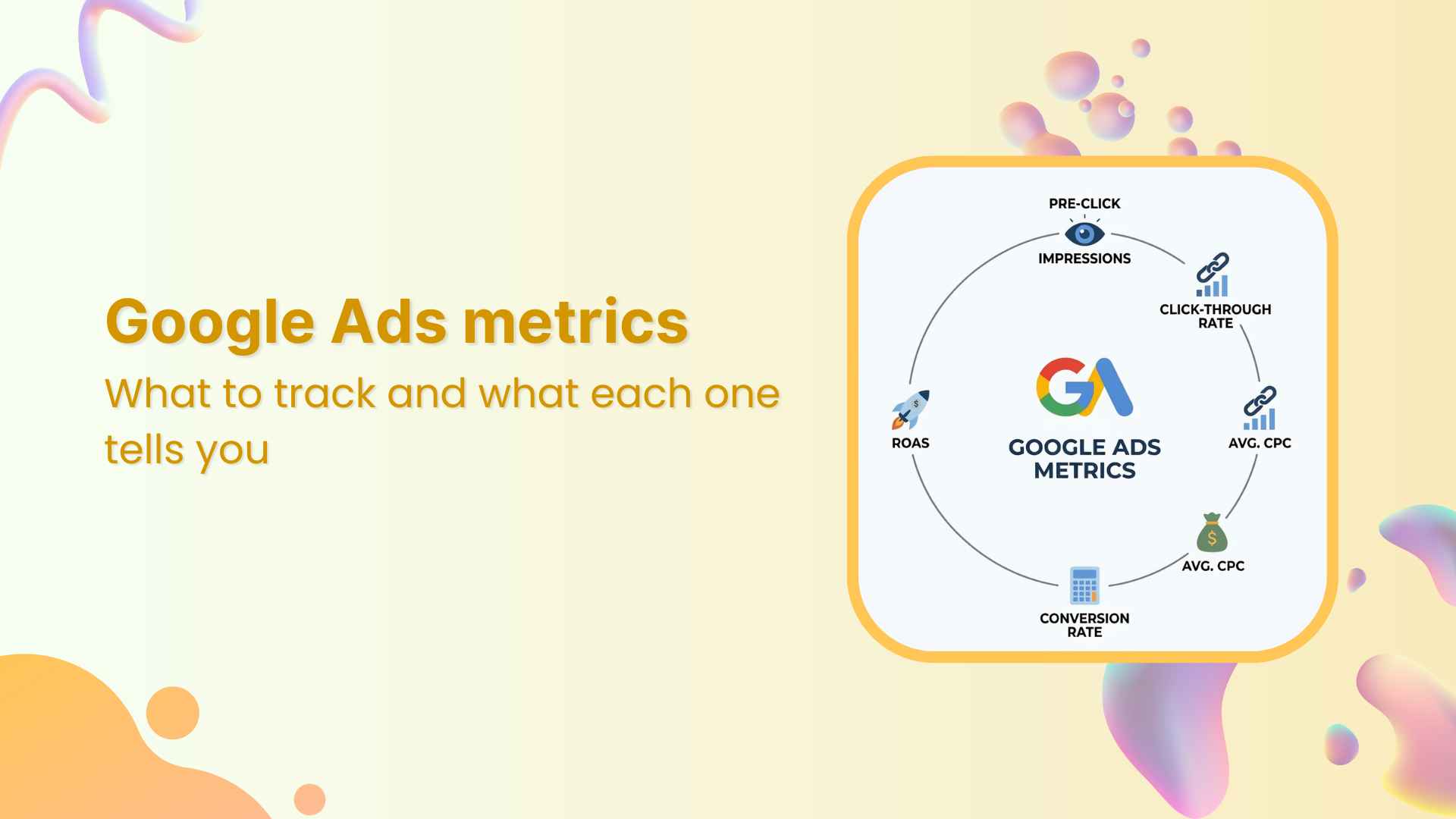
Google Ads metrics: What to track and what each one tells you

10 social media goals for marketers