Black Friday vs. Cyber Monday: The real difference for software buyers
Oct 22, 202614 minutes

Written by
Saif AliUpdated
Most TikTok campaigns get plenty of views, yet very few actually turn those views into sales. The TikTok marketing tactics that move revenue focus on product-centered videos, creator proof, TikTok Shop, and performance ads that look native to the feed.
The trouble starts when brands chase viral moments without any structure. Content teams copy trends from Instagram, skip analytics, and treat TikTok as an afterthought, so results stay random and hard to repeat.
The brands that consistently schedule TikTok posts are often better positioned to test content, measure performance, and build repeatable growth.
TikTok marketing means using TikTok’s short video format, creators, ads, and commerce tools to drive real business outcomes, from first touch to checkout. As you read, connect each tactic back to one question: how does this help someone move closer to buying?
Simplified social media marketing for individuals & agencies.
Try ContentStudio for FREE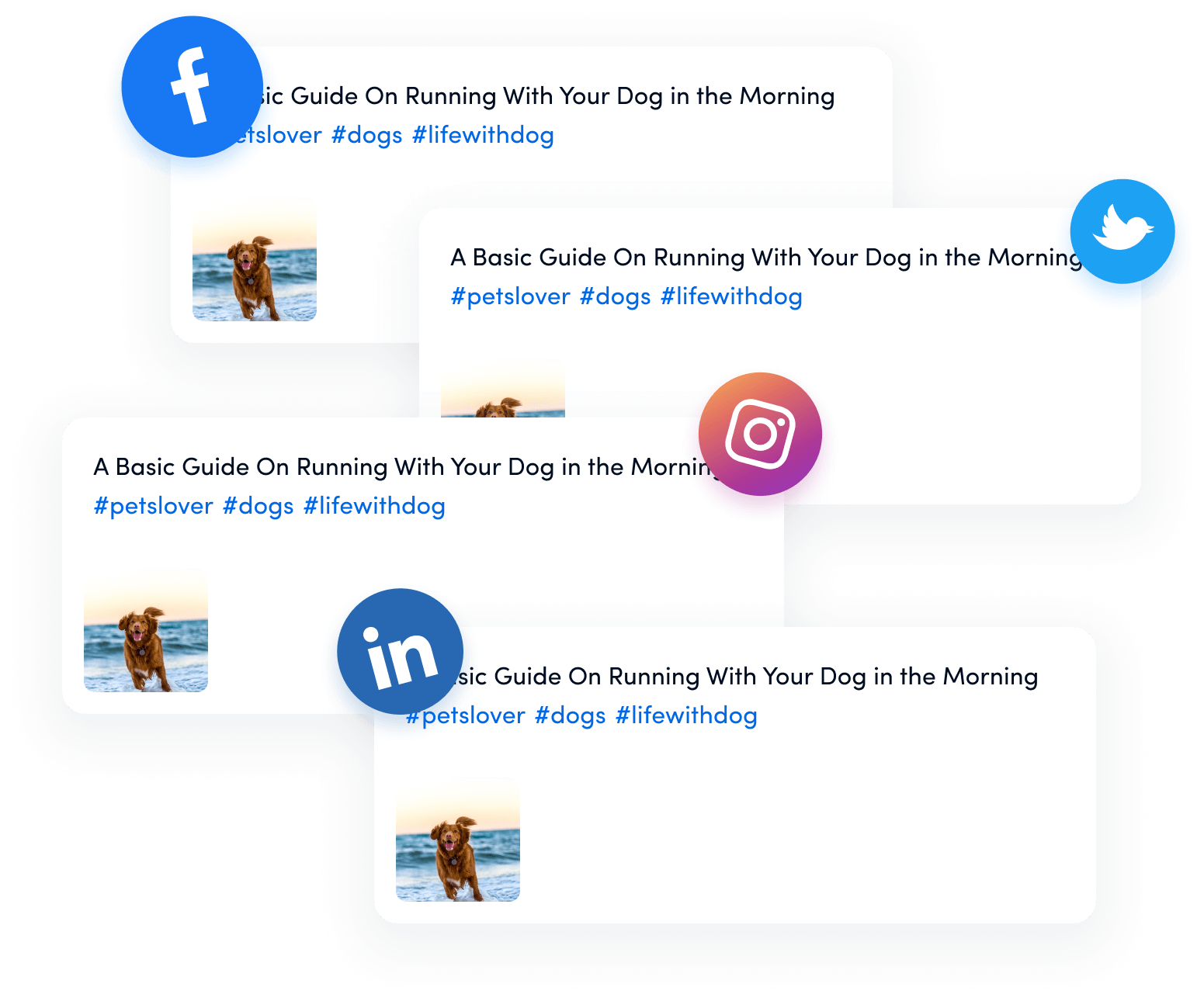
TikTok marketing is the practice of promoting a brand, product, or service on TikTok through organic videos, creator partnerships, paid ads, or a mix of all three. Done right, it puts you in front of an audience that is actively engaged, algorithmically open to new accounts, and increasingly ready to buy.
What separates TikTok from every other social channel is not its user count or its video format. It is the fact that a brand account with zero followers can go viral on TikTok.
No other mainstream platform redistributes attention that generously. And for marketers, that is both an enormous opportunity and a reason to think about TikTok differently than they think about Instagram, YouTube, or LinkedIn.
You should market on TikTok in 2026 because it is the one major platform where a brand with zero followers can still reach millions. With roughly 1.9 billion monthly users, purchase intent built into the app through TikTok Shop, and organic reach that most platforms have throttled, TikTok rewards good content over big budgets.
Instagram and YouTube heavily favor accounts with established audiences. A post from an account with 10,000 followers will be distributed far more widely than an identical post from an account with 100 followers, all else equal.
For brands already active on Instagram, the full TikTok vs Reels comparison covers where the two platforms diverge on distribution, audience behavior, and content strategy.
TikTok’s For You Page operates on a fundamentally different logic: it tests content with a small initial batch of users, measures engagement signals like watch time, replays, shares, and comments, and then progressively widens distribution to larger audiences if those signals are strong.
Your follower count is almost irrelevant to this process. A brand posting its first TikTok video has roughly the same shot at reaching 100,000 people as a brand with 500,000 followers.
In practice, the algorithm watches signals such as:

The popular perception is that TikTok is a teen platform. The data tells a more nuanced story. While Gen Z drove initial adoption, millennial and Gen X users also make up a significant share of daily active usage.
Here’s the quick current demographic breakdown.
More importantly, TikTok’s user base skews toward engaged, discovery-minded people regardless of age the type of person who watches a video about a product they’ve never heard of and then goes looking for it. That behavior pattern is valuable in any demographic.
TikTok did not become a shopping engine by accident. The platform’s integration of product links, TikTok Shop, and the sheer volume of user-generated product reviews and demonstrations has created a discovery-to-purchase loop that is shorter than almost any other platform.
When someone watches a 45-second skincare tutorial that uses a specific cleanser, clicks to the product page, and buys it all without leaving the app, that is a conversion path that most e-commerce brands have spent years trying to build. TikTok handed it to them.
Most social platforms have progressively throttled organic reach over the past decade, nudging brands toward paid advertising. TikTok still rewards organic content at scale, especially for accounts that post consistently and read their analytics carefully.
This does not mean TikTok is free; good content costs time and production effort, but a well-run organic TikTok account can generate meaningful traffic and awareness without a paid media budget, which is not something most marketers can say about Facebook or Instagram anymore.
Every brand should use five core TikTok content types: educational how to clips, product demos, social proof such as reviews and unboxings, personality or founder content, and trend based posts. A varied mix keeps your profile interesting, gives the algorithm more data, and speaks to shoppers at different stages of the buying path.
Start with educational clips that solve problems. Short how-to videos, tips, and checklists work very well for service providers, SaaS, and e-commerce stores. For example, a skincare brand might post “three signs your cleanser is too harsh,” then feature its gentle product as the fix.
Entertainment still matters, but it now works in service of the sale. Skits, memes, and reaction videos help people remember your brand and share your profile in group chats. Product-focused humor, such as “things I wish I knew before buying X,” blends laughs with clear feature highlights.
Trends sit beside these base formats. Using a trending sound, duet, or stitch helps you surf the wave of viral formats while adding your twist. User-generated content and behind-the-scenes clips round out the picture, so viewers see your product, your team, and your happiest customers instead of a one-dimensional feed.
TikTok carousels are also worth including in the mix; slide-based posts tend to generate higher save rates than single videos, which is a strong signal for the algorithm.
To build a healthy mix, most brands combine:
TikTok Shop lets product-based brands tag items directly in videos and livestreams, so viewers can buy without leaving the app. For fashion, beauty, food, and home goods brands, it has become a meaningful direct revenue channel not just a discovery tool.
If you sell physical products, set up your TikTok Shop catalog early and tag products in your top-performing organic videos before running ads.

TikTok Live deserves a spot in most brand content calendars. Live sessions drive real-time engagement, surface your account to new viewers while you’re broadcasting, and integrate directly with TikTok Shop for in-stream product sales.
Even a 20-minute founder Q&A or product demo live can generate more qualified interest than a week of feed posts.
Match your TikTok format to your goal: use trends and skits for awareness, demos and reviews for consideration, and behind-the-scenes or founder clips for loyalty. Awareness formats attract new eyeballs, proof formats drive sales, and community formats build the trust that turns viewers into repeat buyers.
When you care about consideration and conversions, formats need more proof. Product demonstrations, tutorials, customer reviews, and before-and-after clips show outcomes rather than claims. A creator showing how fast your app solves a daily pain point will often drive more sales than a pure logo animation.
For community warmth and loyalty, behind-the-scenes content, founder messages, day-in-the-life clips, and UGC duets work best. These formats make your brand feel like a familiar face instead of a faceless store. Over time, you will mix all three groups throughout the week, so your TikTok marketing serves awareness, nurture, and sales together.
Build a TikTok strategy in six steps: define one primary objective, learn how your audience behaves on the platform, choose three to four content pillars, set a posting cadence you can sustain, study competitors for gaps, then track and adjust every two to three weeks. Deliberate decisions before filming beat random posting every time.

TikTok can serve multiple business objectives: brand awareness, community building, website traffic, lead generation, product sales, but the content approach for each one is different. An awareness campaign prioritizes reach and watch time; a conversion campaign prioritizes click-through and purchase intent signals.
Trying to optimize for all of them at once typically results in content that does none of them well. Pick one primary objective for your first 90 days. If you are a new brand, awareness usually comes first; you need people to recognize you before you can reliably convert them.
If you are an established brand launching a product, you might start with conversion intent from day one.
Your TikTok audience is not necessarily the same as your email list, your Instagram following, or your customer database. TikTok surfaces your content to users based on what they’ve engaged with before, which means your audience on TikTok is self-selecting based on content behavior.
Before creating anything, spend time on the platform as a consumer. Search your product category. Watch the top-performing videos. Note what the comments say. Pay attention to what kinds of accounts are following the creators who operate in your space.
Content pillars are the recurring themes or formats that your account will be known for. They give your content calendar structure, help your audience know what to expect, and make production more efficient because you’re solving similar creative problems repeatedly rather than reinventing from scratch every week.
A skincare brand, for example, might build pillars around: ingredient education (what is niacinamide actually doing to your skin), before-and-after demonstrations, creator duets and reactions, and behind-the-scenes formulation content.
Each pillar serves a different intent and a different audience mood, but all of them are on-brand. Three to four pillars are usually enough. More than that and the account starts to feel unfocused.
TikTok rewards consistency, but “post every day” advice is only useful if the content quality holds up. Posting five low-quality videos a week will train the algorithm and your audience to expect mediocrity.
Posting three well-executed videos a week builds audience expectation and gives your analytics cleaner data to interpret, because you can see which formats and topics are pulling weight.
For most small-to-mid-sized brands getting started, three to four posts per week is a sustainable baseline. If you have the production capacity to do more without sacrificing quality, scale up. If three is already stretching your resources, start with two and build.
To take the operational friction out of this, a dedicated social media management tool lets you plan and publish content in advance, maintain a consistent cadence without daily manual posting, and align your TikTok schedule with campaigns.
Competitor research on TikTok is not about copying what others do. It is about identifying what they don’t do, because that is where you can own an angle. If every competitor in your space posts polished, highly produced brand content, there may be an opening for authentic, unscripted content.
If everyone is doing product demos, there may be an opening for educational content that explains the category to newcomers.
No TikTok strategy survives first contact with the algorithm unchanged. The accounts that perform well over time are the ones that treat their analytics as a feedback loop rather than a reporting exercise.
If a certain format consistently outperforms others, make more of it. If a topic generates comments but not views, look at your hook. If your watch time drops off at the 8-second mark consistently, your intro is losing people.
The adjustment cycle on TikTok should happen roughly every two to three weeks — often enough to catch real patterns, not so often that you’re overreacting to statistical noise from a small number of posts.
The 3-second rule on TikTok says your first three seconds decide whether a viewer stays or scrolls. Write a TikTok hook that stops the scroll by opening a knowledge gap in the first three seconds, the window the community calls the 3-second rule.
State the payoff before the setup, address one specific viewer, and show visual intrigue in frame one. The hook is the single highest leverage variable in any video. TikTok’s algorithm uses early drop-off as a strong signal of low quality.
The most reliable hooks share a few characteristics. They create a knowledge gap the viewer senses that they are about to learn something they don’t know and feels the need to close that gap. “Most brands use TikTok wrong here’s what they miss” is more compelling than “Today I’m going to talk about TikTok marketing.”
They address the viewer directly and specifically: “If you run a small business on TikTok, watch this” speaks to someone; “here’s some TikTok advice” speaks to no one. And they create enough visual or auditory intrigue in the first frame that the brain’s pattern-recognition kicks in and delays the swipe.
Writing ten hook variations for every piece of content, then choosing the strongest two or three for testing, is a discipline that separates high-performing TikTok accounts from mediocre ones. It is boring work, but the data consistently supports it.
Use TikTok hashtags effectively by choosing three to five relevant tags per post, not walls of text, and mixing one broad topic tag with niche and community tags. Add a branded hashtag you reuse on every post. TikTok already reads your audio and on-screen text, so hashtag stuffing offers almost no upside.
Include a branded hashtag that you use on every post, especially if you plan UGC or creator campaigns. That tag becomes your campaign home base and helps you track entries and mentions. TikTok’s algorithm already understands topics from audio and text, so hashtag stuffing offers little upside and can even confuse categorization.
For social media teams that manage multiple brands, those automatic ideas save hours each month and keep hashtags aligned with current Tiktok trends.
As your content library grows, review which hashtags appear most often on videos with strong watch time and clicks. Favor those in future posts and retire tags that rarely show up on top performers.
Try now: Generate relevant TikTok hashtags for your topic, audience, and content angle with the TikTok hashtag generator.
TikTok has become a search engine in its own right — especially among Gen Z, who use it to find product reviews, tutorials, and local recommendations.
Optimizing your captions, on-screen text, and spoken words for search terms people type into TikTok’s search bar is now a distinct discipline.
Creator Search Insights is TikTok’s free, built-in research tool that shows what users are actively searching for on the platform, so you can build content around real demand instead of guessing. You will find it inside Creator Tools on your profile, or by typing “Creator Search Insights” into the search bar (you need a Creator or Business account to access it).
The tool has three tabs worth knowing. Search shows trending searches you can filter by category to match your niche. Content gap is the one that matters most for brands: it surfaces topics with high search volume but few videos answering them, which is the easiest place to get discovered fast. Searches by followers show what your own audience is looking for.
For a full breakdown, see our TikTok SEO guide.
Sounds are one of TikTok’s most distinctive features and one of its most misunderstood marketing levers. When a sound is trending, TikTok surfaces content using that sound more aggressively; it’s a distribution signal embedded in the audio layer.
This is why you will often see hundreds of videos using the same 15-second clip: brands and creators are not being unoriginal; they are using a known distribution channel. The strategic question is not whether to use trending sounds but how to use them in ways that don’t make your brand look like it’s desperately chasing virality.
The brands that do this well treat sounds as a structural template and fill the template with their own content. The sound provides the rhythm and the emotional register; the brand provides the specific visual story.
For sounds with cultural or emotional weight a piece of music that’s tied to a specific feeling or moment consider whether that emotional register is compatible with your brand.
Using a sound that’s associated with ironic humor to deliver a sincere product message will create cognitive dissonance that viewers will clock immediately.
There is also a timing dimension. Trending sounds on TikTok have a lifecycle of roughly one to three weeks before they plateau and begin to feel dated.
The goal is to find trending TikTok sounds when it is still climbing in use volume, not after it has peaked. The TikTok Creative Center’s “Trending” tab shows sounds by weekly growth rate, a useful proxy for where a sound is in its lifecycle.

Run TikTok ads through TikTok Ads Manager by first picking one clear objective, such as reach, traffic, or conversions, then grouping ads by audience so you can see which variable matters most. Native looking vertical video with a quick hook and clear call to action consistently outperforms polished cuts that feel like television.
TikTok advertising turns your best content and offers into predictable reach, rather than relying only on viral luck.
Start with a clear objective such as reach, traffic, video views, lead generation, app promotion, or conversions. Pick the one that mirrors your real business goal. Then group your ads by audience and placements, keeping tests simple at the start so you can see which variable matters most.
You can upload custom videos, reuse your top organic posts, or run Spark Ads on creator content that already performs well. Smart production choices matter here. Native looking vertical video, quick hooks, tight messaging, and a clear call to action usually outperform glossy cuts that feel like television.
For e-commerce brands using catalogs, TikTok’s Smart plus system can automate placements and bidding. Ray-Ban used Smart plus Catalog Ads in the United States and recorded a 50 percent drop in acquisition cost along with a 47 percent lift in conversion rate (TikTok for Business).
As budgets grow, treat Ads Manager like an ongoing test bench. Try new hooks, audiences, and offers, retire weak ads quickly, and move budget toward winners.
ContentStudio can help here by highlighting which organic TikToks draw the strongest interaction so you know which ones to move into Spark Ads.
If you build a deeper spoke article on TikTok ads, this section becomes the entry point that sends readers toward detailed campaign setups, creative frameworks, and optimization checklists.
TikTok ad formats support different parts of the funnel and different creative styles. Matching them to your goal avoids wasted spend and confusing tests.
| Ad format | Best for | Funnel stage |
| In Feed Ads | Broad reach and direct response campaigns | Awareness / Conversion |
| TopView Ads | Big launches and brand fame moments | Awareness |
| Spark Ads | Scaling organic or creator posts with social proof intact | Consideration |
| Branded Hashtag Challenge | UGC waves and community activity | Awareness |
| Branded Effects | Interactive face filters and product-themed effects | Awareness |
| Smart plus Catalog Ads | Catalog-driven e-commerce and dynamic remarketing | Conversion |
In Feed Ads appear inside the For You Page, look like native content, and can send people to your site or TikTok Shop. Spark Ads keep the likes and comments from the original post, which often raises trust and click rates compared with a fresh ad.
Branded Hashtag Challenges and Branded Effects work better for larger budgets and brand building, since they ask for mass participation. Smart plus Catalog Ads focus on revenue, not only impressions.
They pull product data from your catalog and help TikTok decide which item to show to which person. For retail and direct-to-consumer brands, this format deserves early testing once the pixel and catalog are ready.
TikTok targeting lets you balance reach and relevance. You can start with broad demographic filters such as country, age, and language, then layer interests, behavior data, custom audiences, and lookalike audiences based on your best customers or past site visitors.
To ensure stable ad delivery, TikTok has minimum budget thresholds for both campaign and ad group levels. For the daily budget, the campaign level must exceed $50, while the ad group level must exceed $20.
For bidding, Lowest Cost suits early tests when you want as many results as possible, while Cost Cap fits later, once you know a reasonable target cost per purchase or lead.
Begin with simple, broad setups, watch cost and click data for a week, then refine audiences rather than starting with narrow stacks that never deliver. As you gather more results, capture learnings in a separate spoke post or internal playbook, so your team stops repeating the same early experiments.

Vanity metrics are less useful on TikTok than they are on most other platforms because the algorithm means that a single post can skew follower counts and reach numbers dramatically. The metrics that actually tell you whether your strategy is working are more granular. Here’s why use TikTok analytics:
Average watch time and completion rate are the most direct signal of content quality. If your average completion rate is under 25%, your hooks are failing, or your content is longer than its value justifies. If it is above 50%, you’re producing content that people want to finish a strong foundation to build on.
Follower growth by content type. Track which specific videos drive follower spikes. TikTok Analytics shows followers gained for each video. If educational content consistently produces followers on TikTok and trend content produces views but not follows, that tells you something important about what your audience values about your account specifically.
Profile visits from individual videos. A video that drives a high number of profile visits is a video that made people curious enough to investigate further, an indicator of qualified interest rather than passive consumption.
Traffic and conversion attribution. If you have a link in your bio or are using TikTok’s native shop features, connecting TikTok’s activity data with your web analytics (via UTM parameters on your bio link) is essential for understanding whether TikTok is actually driving the business outcomes you care about.
If you have a link in your TikTok bio or are using TikTok’s native shop features, connecting TikTok’s activity data with your web analytics via UTM parameters is essential for understanding whether TikTok is driving the business outcomes you care about.
A useful monthly rhythm: review watch time curves on your last 10–15 posts, identify which content pillar is performing best, check which posts generated the most profile visits and follower growth, and adjust next month’s content calendar accordingly.
Social Media Analytics
Fine-tune your social media strategy for success with in-depth analytics and white-labeled reports.
Get Started for FREE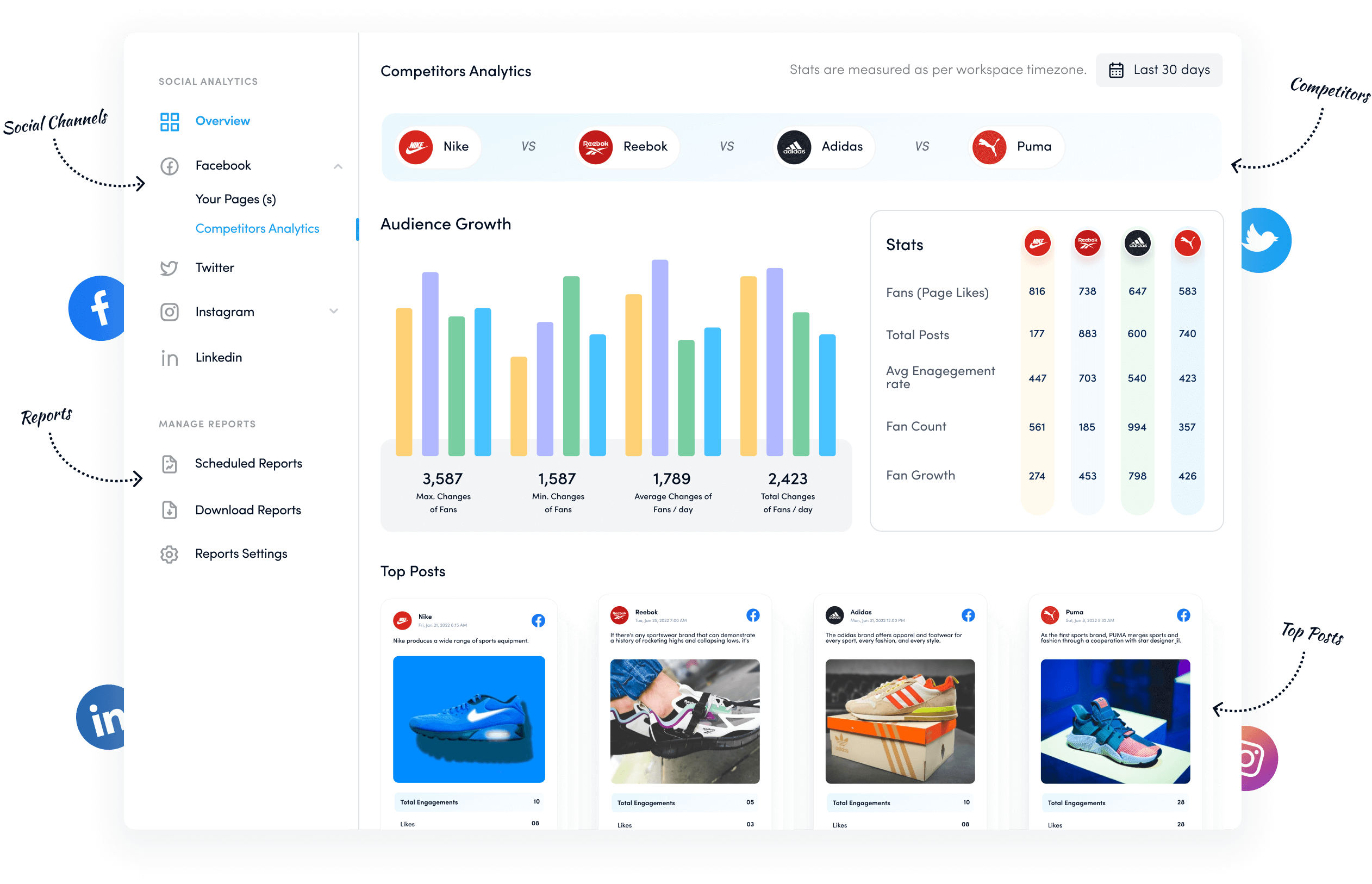
Try now: Create scroll-stopping video scripts with the TikTok script generator.
TikTok influencer marketing uses creator trust to push your message and products into tight communities. Viewers on TikTok often trust a favorite creator’s experience more than a glossy brand spot, so a single honest review can change sales for months.
Creators also understand TikTok’s language better than most internal teams. They know how to thread humor, product proof, and hooks into the same clip. When you combine that instinct with your strongest selling points and offers, you get content that feels natural and still drives clicks.
Start by defining goals for your creator program. You might want top-of-funnel reach, content to reuse in Spark Ads, or direct TikTok Shop sales through affiliate links. TikTok itself provides the TikTok Creator Marketplace and the Creator Affiliate Program inside TikTok Shop, which give brands safe ways to brief, pay, and track results.
Over time, treat creators as partners rather than one-off placements. Give them creative freedom within clear guardrails, share your best-performing angles, and keep a shortlist of creators whose content you regularly turn into Spark Ads.
Clarify usage rights in your contracts so you can safely reuse their videos in ads, on your website, and in other channels.
Finding and evaluating TikTok creators works best when you use both data and gut checks. TikTok Creator Marketplace lets you filter by niche, follower range, audience location, and interaction rate, which points you toward candidates who already speak to your buyers.
Look first at audience fit. A creator whose followers match your target age, location, and interests will usually outperform a famous name with a random audience. Next, check engagement rate over several posts.
A profile with one hundred thousand followers and steady comments often beats a million-follower account with flat numbers. Then study style. The content should feel authentic, with a tone that matches your brand’s values.
Once you pick partners, choose formats such as paid sponsorships, affiliate deals through TikTok Shop, Spark Ads from their posts, or micro-influencer clusters. For proof of impact, track link clicks, TikTok Shop sales, and lift in branded search as campaigns roll out.

Also Read: How to switch to a TikTok business account?
Key TikTok KPIs should follow your objective, not the other way around. That way, your reports support business decisions instead of only describing activity.
| Objective | Primary KPIs |
| Brand awareness | Video views, reach, completion rate |
| Engagement | Likes, comments, shares, follower growth |
| Traffic | CTR, link clicks, website visits |
| Lead generation | Cost per lead, form submissions |
| Sales / commerce | Conversions, ROAS, GMV, CPA |
For awareness, you care about how many people saw your videos and whether they watched to the end. For traffic, link clicks and click-through rate show whether your hooks and calls to action are strong enough. For sales, you watch conversion rate, cost per acquisition, and revenue.
ContentStudio’s TikTok Analytics module maps these KPIs into clean charts and scheduled PDFs, which agency teams can send to clients every week. Pair those reports with a short review of watch time graphs inside TikTok, and you will know exactly which creative angles deserve more spend.
These are not tricks. They are the practices that consistently separate TikTok accounts with sustainable growth from those that plateau.
Content that was clearly designed for Instagram Reels or YouTube Shorts by its aspect ratio, its pacing, its caption style, or the presence of a watermark from another platform underperforms on TikTok.
The reverse is also worth planning for: repurposing TikTok videos for other platforms is a smart way to extend the life of your best content, as long as you strip watermarks and adapt the format for each destination
The algorithm can detect and penalize content with watermarks from competing platforms. More importantly, TikTok users are sensitive to content that feels misplaced and will swipe away faster. Create for TikTok specifically.
A significant proportion of TikTok is watched without sound on public transport, in waiting rooms, in situations where the viewer doesn’t have earbuds. On-screen text that summarizes or reinforces the spoken content lets your video communicate even in silent mode.
It also gives the algorithm more text to categorize for topic relevance.
TikTok’s comment-reply-as-video feature is underused by brands and highly effective when used well. A comment from a viewer becomes the basis for a new video, which is served to that viewer and their network while also generating new SEO signals in the comment thread.
It signals responsiveness, creates a reason to follow, and is genuinely useful content generation. The best questions in the comments often reveal what a broader audience needs to know.
TikTok lets you pin up to three videos to the top of your profile. Most brands leave this empty or pin promotional content. A better use is to pin your three best-performing informational videos the ones that best demonstrate what your account is about to first-time visitors.
Your profile is a sales pitch for why someone should follow; optimize it accordingly.
TikTok Analytics shows the average percentage of a video watched and, for some accounts, a full viewing curve. The point where the curve drops most steeply is the exact point where you’re losing people, and that is the most specific data you can get about what to fix.
A video with 70% average watch time has a different problem than a video with 40% average watch time, and the fix is different too.
Duet on TikTok features let you build on other creators’ content, which can be a low-effort way to enter conversations that are already generating views.
A well-constructed stitch of a question that’s generating discussion in your industry where you provide the expert answer can piggyback on the original video’s distribution while establishing your authority.
Yes, TikTok marketing is worth it in 2026 for brands willing to create for the platform rather than repost from elsewhere. It rewards specific, honest, useful content over big budgets, and a single strong video can still build an audience that would take years to grow anywhere else. That window is worth using.
The brands that perform best on TikTok are not the ones with the biggest budgets or the most sophisticated production setups. They are the ones that take the platform’s content norms seriously, study their analytics honestly, and make the adjustment cycle part of their regular workflow.
TikTok is still, for now, a platform where the quality of a single piece of content can build an audience that would take years to build anywhere else. That window is worth using.
Start with a single clear objective: awareness, engagement, or conversion. Define your target audience on TikTok by researching the content they’re already watching. Choose three to four content pillars that serve both your audience’s interests and your business goals. Set a posting cadence you can maintain consistently (three to four posts per week is a reasonable starting point).
Organic TikTok marketing costs time and production effort, but no media budget. TikTok Ads Manager requires a minimum campaign budget of approximately $50 per campaign as of recent reporting. Creator partnerships range from a few hundred dollars for micro-influencers to tens or hundreds of thousands for macro-creators.
Educational content, behind-the-scenes content, and product demonstrations consistently perform well across categories. Trend participation amplifies reach when timed correctly.
The format matters less than the hook; the first three seconds of a video are the highest-leverage variable in performance, regardless of content type.
No. TikTok’s For You Page algorithm distributes content based on engagement signals rather than follower count, which means a post from an account with 200 followers can reach 200,000 people if the content quality is strong.
The best times to post on TikTok are early morning (6 to 10 AM) and evening (7 to 11 PM) in your audience’s timezone, with Tuesday, Thursday, and Friday performing best. These are starting points, not rules: your own analytics will reveal the windows your specific audience actually watches in
TikTok Shop is an in-app commerce feature that allows brands and creators to tag products in videos and livestreams, enabling users to purchase without leaving TikTok. For product-based businesses, it has become a meaningful revenue channel, particularly for brands in fashion, beauty, food, and home goods.
The most important metrics are average watch time and completion rate (content quality signals), profile visits per post (qualified interest indicators), follower growth by content type (audience alignment), and downstream conversion data tracked via UTM links in your bio.
The 3-second rule says the first three seconds of a TikTok video decide whether a viewer stays or scrolls. It is a community convention, not official TikTok guidance, but it holds up because the algorithm treats early drop-off as a quality signal. In practice, watch your completion curve rather than a stopwatch: the exact second people leave is where your hook is failing.
No. TikTok does not pay a flat $1 per 1000 views. Through the Creator Rewards Program, payouts typically land around $0.40 to $1.00 per 1000 qualified views, and only videos over one minute that meet originality and eligibility rules earn at all. For brands, this matters less than it sounds: your return comes from sales and reach, not view payouts.
TikTok is owned by ByteDance, a private technology company. Roughly 60 percent of ByteDance is held by global institutional investors, about 20 percent by its founders and employees, and about 20 percent by its founder personally. Ownership structures shift with regulation, especially in the United States, so treat any single percentage as a snapshot rather than a fixed fact.
For most brand and marketing videos, aim for 21 to 34 seconds. That window is long enough to land a hook, a point, and a call to action, and short enough to hold completion rate, which is the metric the algorithm rewards most. You can post longer videos, and Creator Rewards even requires over one minute, but length should follow the story; never pad it.
Plan 0 Days of Content in 0 Minutes
Create, schedule, publish and analyze your content across all your social media channels from one simple dashboard.
4.7 on Capterra • 16,500+ marketers trust ContentStudio
Saif Ali is a Content Marketing Strategist at ContentStudio with over five years of experience across SaaS, IT, and digital marketing. He specializes in SEO-led content, AI content creation, and social media strategy, and leads editorial review at ContentStudio, fact-checking and refining articles for accuracy, SEO, and a consistent brand voice.
View all posts by Saif AliRecommended for you
Black Friday vs. Cyber Monday: The real difference for software buyers
Black Friday social media post ideas: Captions and posting plan for 2026
Black Friday and Cyber Monday social media checklist 2026
Cyber Monday social media post ideas: Captions, hashtags & retargeting posts