95% of marketers use AI. Only 39% see better performance. The gap isn’t the AI
Oct 7, 20268 minutes

Written by
Esha ShabbirUpdated

Instagram stories go blurry because the app compresses your media during upload, and the intensity of that compression depends on what it detects. The most common triggers are Data Saver being switched on, a weak connection at the moment of posting, and files that don’t match Instagram’s preferred dimensions of 1080 × 1920 pixels.
If your stories are still coming out soft after addressing those three things, the issue usually starts before the file reaches Instagram, in how it was exported, sized, or created. This guide covers both.
Instagram applies automatic compression to every story it processes. When upload conditions aren’t ideal, that compression becomes heavy enough to produce a visibly soft result. The quality drop reflects the specific condition that triggered the heavier encoding.
These are the most common causes. Each one maps to a fix in the next section.
| Cause | What’s happening |
| Data Saver is switched on | Instagram limits upload quality to reduce mobile data usage |
| Weak or unstable connection | The app uses a lower-quality encode to complete the upload |
| Wrong file dimensions | Files outside 1080 × 1920 get scaled during processing, which softens the image |
| Third-party app export quality | Tools like Canva compress on export if download settings aren’t adjusted |
| Outdated Instagram app | Older versions can have encoding bugs that degrade upload quality |
Understanding how Instagram Stories work as a format matters here. Stories run through a separate upload pipeline from feed posts, and that pipeline has its own compression thresholds, often more aggressive when the source file is large or arriving over a slow connection.
If Stories are a consistent part of your Instagram marketing efforts, auditing these settings once prevents the same troubleshooting from repeating week after week.
The fastest fixes are inside Instagram’s own settings. Start there before touching anything else. If the blurriness persists after adjusting those, work backward to the source file and the app itself.
Open your Instagram profile and tap the three lines in the top right. Go to Settings, then Account, then Mobile data use. Switch Data Saver off. While you’re on that screen, turn on Upload at highest quality under Media upload quality. Instagram enables Data Saver by default on many devices, and this one setting causes more blurry stories than anything else.
The Upload at highest quality toggle can be disabled independently of Data Saver. Confirm it’s switched on even after you’ve turned Data Saver off. When active, Instagram uses the full-resolution version of your file rather than a compressed preview version.
Instagram compresses harder when it detects a slow or unstable connection. Posting over patchy mobile data is one of the most reliable ways to trigger a poor-quality result. If your signal is inconsistent where you’re posting, switching to Wi-Fi before uploading is the single highest-impact change you can make.
Files that fall outside Instagram’s preferred specs get re-encoded during processing, and that re-encoding introduces visible softness. Instagram’s requirements for Stories are listed below.
| Specification | Requirement |
| Dimensions | 1080 × 1920 pixels |
| Aspect ratio | 9:16 |
| Maximum image size | 30MB |
| Maximum video size | 4GB |
| Minimum resolution | 72ppi |
| Supported formats | JPEG, PNG (images); MP4 (video) |
If you also post Reels, the Instagram Reel size requirements differ from Stories. Applying the wrong spec set to either format creates the same re-encoding problem.
If you queue content through an Instagram scheduler, you can verify file specs before publishing and catch dimension mismatches before the story goes live.
Tools like Canva and Adobe Express add their own compression layer during export if you’re not paying attention to the download settings. In Canva, download as PNG and don’t scale the file down from its native size. Using Instagram story templates that are already sized at 1080 × 1920 is the more reliable starting point. The file begins at the correct dimensions, so you’re only dealing with one compression pass.
Instagram’s in-app camera shoots at the correct aspect ratio and sends the file directly into the upload pipeline without an intermediate export step. For photos and short clips taken specifically for a story, this removes the dimension mismatch problem entirely. It’s more reliable than shooting with your native camera app and uploading from the camera roll.
On Android, hold the Instagram icon, tap App info, then Storage, then Clear cache. On iPhone, go to Settings, then General, then iPhone Storage, find Instagram, and tap Offload App. Reinstall from the App Store afterward. Corrupted cached data or an incomplete installation can interfere with how the app encodes uploads and produce blurry results that have nothing to do with your file or settings.
If you’re also seeing an Instagram feed not loading or the app stalling mid-upload, clearing the cache or reinstalling usually resolves both at once.
Older app versions occasionally carry encoding bugs that affect story quality. Check whether an update is available before trying anything more involved. If the problem is app-side, an update often resolves it without any other changes.
If you manage Stories across multiple accounts through a social media management platform, verify that the platform’s upload process isn’t adding a compression step. Some tools re-encode video before sending it to Instagram, which stacks on top of Instagram’s own processing.
Instagram compresses every story it processes. How much it compresses depends on what it receives. The more the uploaded file deviates from Instagram’s expected format, the heavier the compression it applies to complete the upload.
This is a deliberate infrastructure choice. Instagram processes billions of story frames daily, and compression is how it manages that load at scale.
What the “Instagram ruining photo quality” complaint usually describes is a file that didn’t match Instagram’s expected format arriving over a weak connection. The encoder applies a heavier pass to reconcile the two, and that’s where the visible quality loss enters. A correctly sized file on a stable connection gets the minimum necessary compression, and the output looks close to the original. The platform responds to what you give it. Match the file to its expected format, and the compression becomes nearly invisible in the result.
Highlights store the compressed version of the story from the original upload. Whatever quality level the story was processed at during posting is the version the highlight holds, and it stays that way.
Your Instagram story highlights display at a reduced size on your profile, then scale up when someone taps them. Any compression present in the stored version becomes more visible at the expanded display size, which is why highlights often look softer than the story did when it first went live.
The only way to fix a blurry highlight retroactively is to re-upload the original story at the correct specs and then replace it in the highlight. Changing the highlight cover photo doesn’t affect the playback quality of the story underneath it. For evergreen highlights like product walkthroughs or FAQs, re-uploading the source files is worth it. Those highlights accumulate views long after the 24-hour window closes, and the quality difference compounds.
Blurry Instagram stories almost always start with one of the same few conditions. Data Saver was on during the upload, the file was sized outside Instagram’s specs, or the connection triggered heavier encoding. All of them are quick to fix once you know which one applies.
The change with the most consistent impact is enabling high-quality uploads. It takes under a minute and changes the output for every story you post from that point forward.
For anyone managing an Instagram presence regularly, it’s worth running through these settings on every device used for posting. A default that was never changed at setup can quietly reduce story quality for months before anyone tracks down the cause.
Archived stories store the compressed version from the original upload, so any quality loss from Data Saver or a poor connection carries over permanently. If the original file is still on your device, you can unarchive your Instagram Stories and re-upload at the correct specs.
Instagram renders draft previews at reduced resolution, so what you see in drafts isn’t the final quality. If the posted version is also blurry, the issue is the source file or your upload settings.
The causes are the same on iOS and Android, including Data Saver being on, wrong file dimensions, or a weak connection. Confirm Data Saver is off and high-quality uploads are enabled under Settings, Account, Mobile data use, and check that your source file is 1080 × 1920.
Old stories were processed under whatever settings were active at the time of posting, so any quality loss from Data Saver or a weak connection is permanent. Re-uploading the original file is the only fix.
Adding music, stickers, or GIFs increases the story file size, which triggers more aggressive compression from Instagram during upload. If quality drops when you add media elements, post on Wi-Fi with Data Saver off.
Enable high-quality uploads and turn off Data Saver in Settings, Account, Mobile data use, then upload over Wi-Fi with source files sized at 1080 × 1920 and under 30MB. Export from design tools at full resolution to avoid adding a compression pass before Instagram applies its own.
Plan 0 Days of Content in 0 Minutes
Create, schedule, publish and analyze your content across all your social media channels from one simple dashboard.
4.7 on Capterra • 16,500+ marketers trust ContentStudio
Esha Shabbir is a content marketer at ContentStudio, specializing in social media strategy, SEO-led content, and editorial workflows for marketing teams. She writes practical, research-backed content that helps marketers understand what to publish, how to organize their content, and how to build a more consistent social media presence.
View all posts by Esha ShabbirRecommended for you
95% of marketers use AI. Only 39% see better performance. The gap isn’t the AI

How to run a holiday campaign calendar from chat with OpenClaw
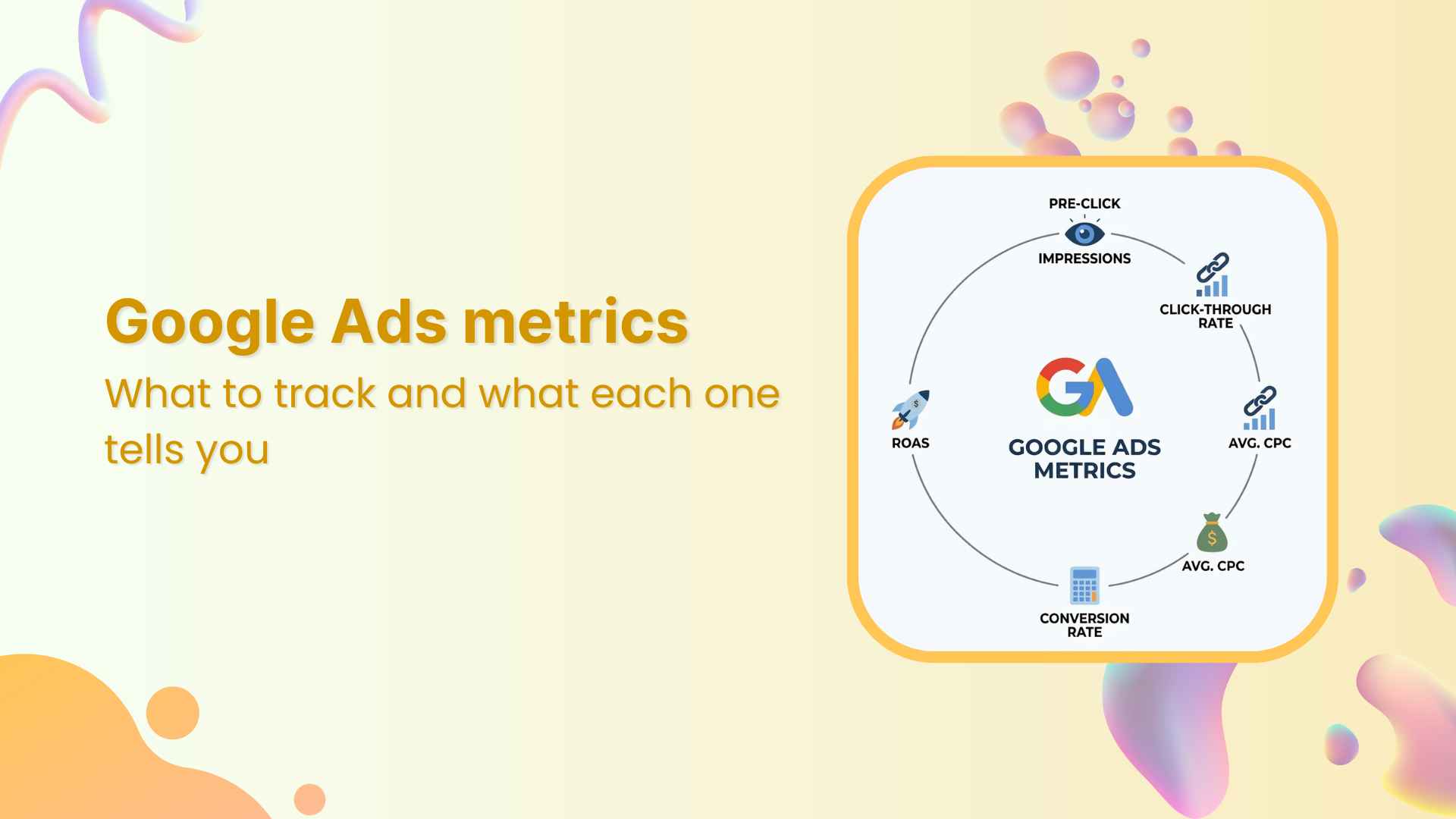
Google Ads metrics: What to track and what each one tells you

10 social media goals for marketers