Facebook ads analytics: How to track and improve your performance
Aug 20, 202617 minutes

Written by
Hassaan KhanUpdated
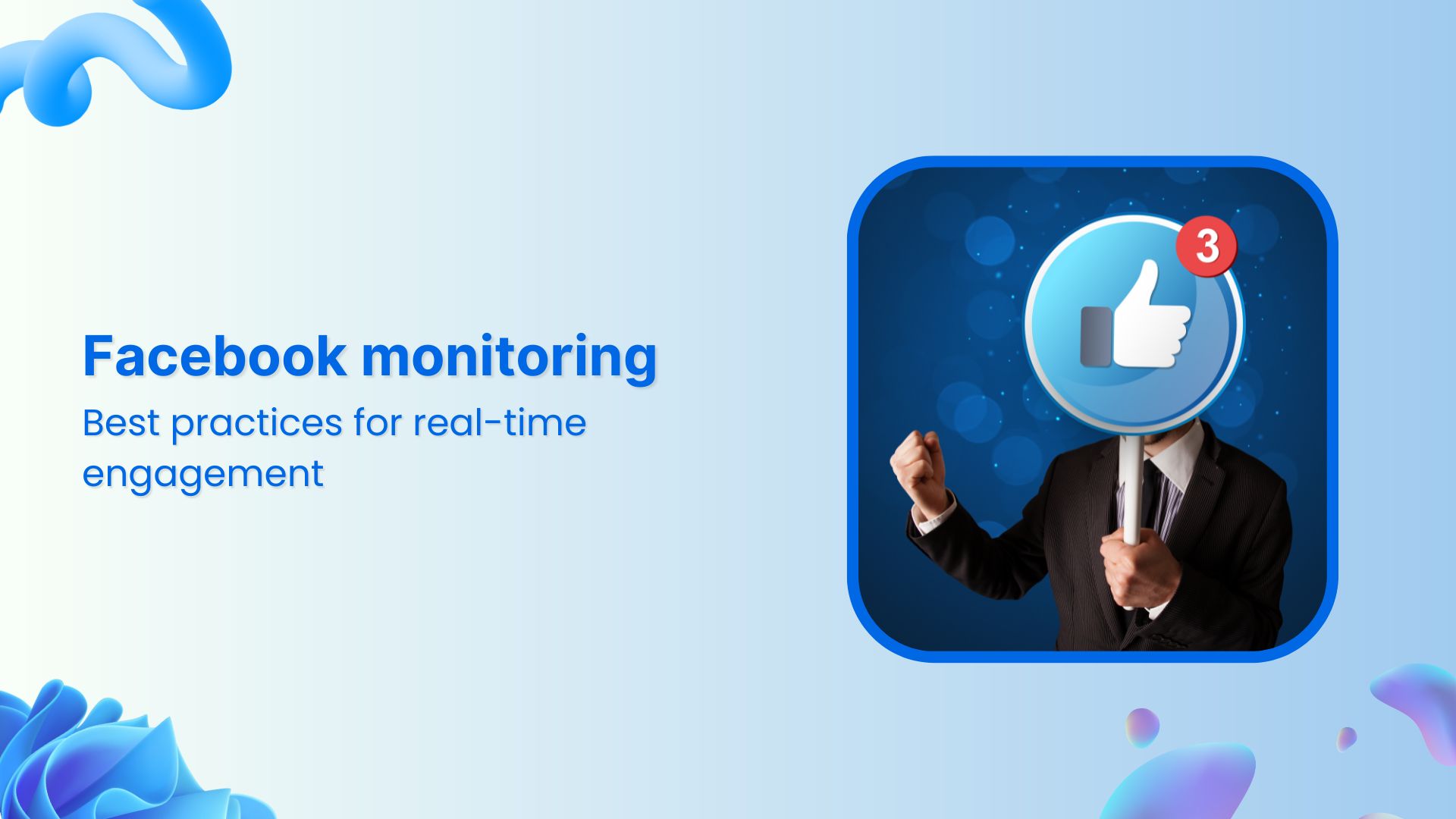
Facebook monitoring is the practice of tracking brand mentions, audience interactions, competitor activity, and engagement signals across Facebook in real time. Without it, you miss negative comments before they multiply, customer questions that could have become sales, and brand mentions your team never sees.
This guide covers what monitoring actually involves, what Facebook’s native tools leave out, and how to build a setup that catches critical moments.
Facebook monitoring means actively tracking what happens on and around your Facebook presence, not just reviewing your own post performance once a week. It covers brand mentions in posts and comments across pages you don’t own, conversations in Facebook groups where your name comes up, direct messages, competitor page activity, and whether your scheduled content is actually going live.
The distinction between monitoring and analytics matters. Analytics tells you what happened. Monitoring catches it as it’s happening, which is a completely different time frame with different consequences.
A customer who posts a complaint on your page expects a reply within a few hours. A competitor referencing your brand in a campaign post gives you a short window to respond with your own positioning. An untagged mention in a public group, where someone recommends or criticizes your product without the @ symbol, doesn’t trigger any native notification at all. Monitoring covers the gaps that passive Insights-checking leaves open.
For brands that are thinking through their approach to Facebook marketing, separating the monitoring workflow from the content publishing workflow makes both more manageable. Publishing cadence and response cadence operate on different timelines and need different ownership. A Facebook scheduler handles the publishing side and gives you a clear audit trail of what’s live, so when you’re checking engagement, you know exactly which posts are active.
Meta Business Suite gives you reach, impressions, engagement breakdowns, post-level performance, and follower growth data. It’s useful for measuring the results of campaigns you’ve already run. What it doesn’t give you is any visibility into what’s happening outside your own Page.
The Facebook analytics dashboard inside Meta Business Suite is built around your connected Pages and ad accounts. Anything happening in the broader conversation around your brand sits outside that view entirely.
Specifically, native Insights does not surface:
This is the gap monitoring fills. You can check Insights every morning and still miss a thread of 30 comments on a competitor’s post where customers are comparing you unfavorably, or a question in a Facebook group with 40,000 members where someone is asking whether your product is worth it and nobody from your brand has responded.
A working monitoring setup starts with a clear goal. The setup for a brand focused on reputation management looks different from the one for an agency tracking five clients’ competitive landscapes.
Define what you’re monitoring for first. Narrow it to one or two primary use cases before picking a tool:
Set response time targets. Monitoring without accountability becomes noise. Decide upfront what response times you’re aiming for. For active posts, replies within two hours during business hours is a reasonable starting benchmark. For DMs, four hours. Write these down and check weekly whether you’re hitting them.
Build your keyword list. This covers your brand name, common misspellings, product names, and any key phrases customers use to describe your category. Set these up in whichever tool you use for mention tracking. If you skip this step, you’ll only ever catch tagged mentions, which are the minority.
Separate monitoring from publishing in your workflow. Many teams make the mistake of checking mentions at the same time they’re composing posts. These tasks need different focus. Block time specifically for monitoring review so it gets done consistently, not only when someone happens to notice something.
Exploring Facebook marketing tool options will show you what’s available across these use cases before you commit to a paid plan. The right tool depends on which of the above goals you’re solving first.
The mistake is trying to track everything and ending up responding to nothing. Prioritize by business impact.
Every public mention of your brand on Facebook is a data point. A tagged mention triggers a notification. An untagged mention doesn’t. Third-party monitoring tools catch both. Beyond the volume, pay attention to whether mentions skew positive, neutral, or negative. A sudden shift in sentiment over 48 hours, even if the overall volume is low, is worth investigating early.
Watching how audiences react to competitor posts gives you information your analytics can’t provide. If a competitor announces a new feature and the comments are overwhelmingly critical, that’s positioning intelligence. If their engagement rate on a particular content format is noticeably higher than yours, that’s worth understanding. Keeping tabs on emerging Facebook content trends in your space, alongside what competitors are doing, shows you where the market is moving before your own metrics reflect it.
A comment asking a product question carries more weight than a like. A share with a caption attached is more signal than a blank reshare. The Facebook algorithm behavior in 2026 still rewards posts where the brand actively participates in the conversation below, so monitoring for comments that warrant a reply is both a customer service task and a reach-optimization task.
If a post fails to publish, it typically surfaces only when the engagement numbers are missing hours later. Monitoring post delivery in real time, especially for time-sensitive content, catches these failures early enough to do something about them.
The right tool depends on which use case you’re prioritizing. No single tool covers every monitoring need equally well.
The table below maps common use cases to what you should look for:
| Use case | What to look for | Tools worth evaluating |
|---|---|---|
| Scheduling and post monitoring | Publisher with analytics in one place | ContentStudio, Hootsuite |
| Untagged brand mention tracking | Keyword scanning, sentiment scoring | Brand24, Mention, Awario |
| Competitor intelligence | Competitor page analytics, post breakdown | Rival IQ, Keyhole |
| Native page management | Basic Insights, DM management | Meta Business Suite |
| Free monitoring | Basic Insights plus keyword search | Meta Business Suite, Social Status |
ContentStudio handles publishing, scheduling, and post-level performance in one dashboard. As a social media management platform, its Inbox feature pulls comments and DMs from all your connected pages into one view. This is useful when you’re managing multiple accounts or tracking comment volume after boosting a Facebook post.
Brand24 specializes in mention tracking and sentiment analysis. It catches untagged mentions across Facebook, news sources, forums, and podcasts, then scores them by sentiment. It’s the stronger choice for reputation management than any all-in-one publisher tool, but it doesn’t schedule or publish content.
Meta Business Suite is free and should be part of the stack regardless of what else you use. It’s the authoritative source for your Page performance data. Its monitoring capabilities are limited to your own content, but for teams with limited budgets, it covers the basics.
Rival IQ and Keyhole are the most capable options for competitive intelligence. Both track competitor Page performance, break down engagement by content type, and give you benchmarking data across your industry.
The measure of monitoring is response time and issue discovery, not impression counts.
Track these four numbers monthly:
If you’re finding out about brand problems through a screenshot someone forwarded rather than through your monitoring alerts, the setup isn’t working regardless of what tools you’re paying for.
Connecting what you learn from monitoring directly to your publishing calendar is where the value compounds. Brands consistently seeing negative sentiment around a specific product category can shift content focus in response. Those focused on growing your Facebook page long-term use monitoring data to inform what to publish next, not just to manage what they’ve already posted.
Facebook monitoring works when it’s attached to a clear goal and a regular process. The brands that get the most out of it treat monitoring the way they treat publishing. They assign ownership, set a schedule, and track whether it’s actually doing its job.
The tools are secondary. A free setup with consistent daily habits outperforms a paid enterprise platform that gets checked once a week.
Start with the highest-priority use case for your business, set measurable targets around response time and mention volume, and build from there. Complexity can come later. The habit has to come first.
Facebook monitoring is the practice of tracking brand mentions, post engagement, direct messages, and competitor activity across Facebook in real time. It goes beyond checking your own analytics and includes mentions on pages and in groups you don’t own.
Use a third-party tool with keyword tracking. Set up your brand name, product names, and key variations as tracked keywords. These tools scan public Facebook content and flag any post containing those terms.
Monitoring tracks direct interactions with your brand. This covers your posts, tagged mentions, and comment threads. Social listening goes broader and covers conversations about your industry or competitors, even when your brand isn’t named.
Comments and DMs warrant a daily check, or more frequently for brands that treat social as a customer service channel. Brand mentions and competitor tracking can run on a weekly review cycle, with real-time alerts set up for high-priority keywords so nothing urgent slips through.
Plan 0 Days of Content in 0 Minutes
Create, schedule, publish and analyze your content across all your social media channels from one simple dashboard.
4.7 on Capterra • 16,500+ marketers trust ContentStudio
Hassaan Khan is a Senior Contributing Writer and Editor at ContentStudio and a writer for SaaS and e-commerce brands, with bylines at SEMrush, ThriveGlobal, and BloggingCage. He covers social media marketing, technical SEO, and analytics, from Instagram impressions to hashtag analytics, and reviews articles for technical accuracy and SEO soundness.
View all posts by Hassaan KhanRecommended for you
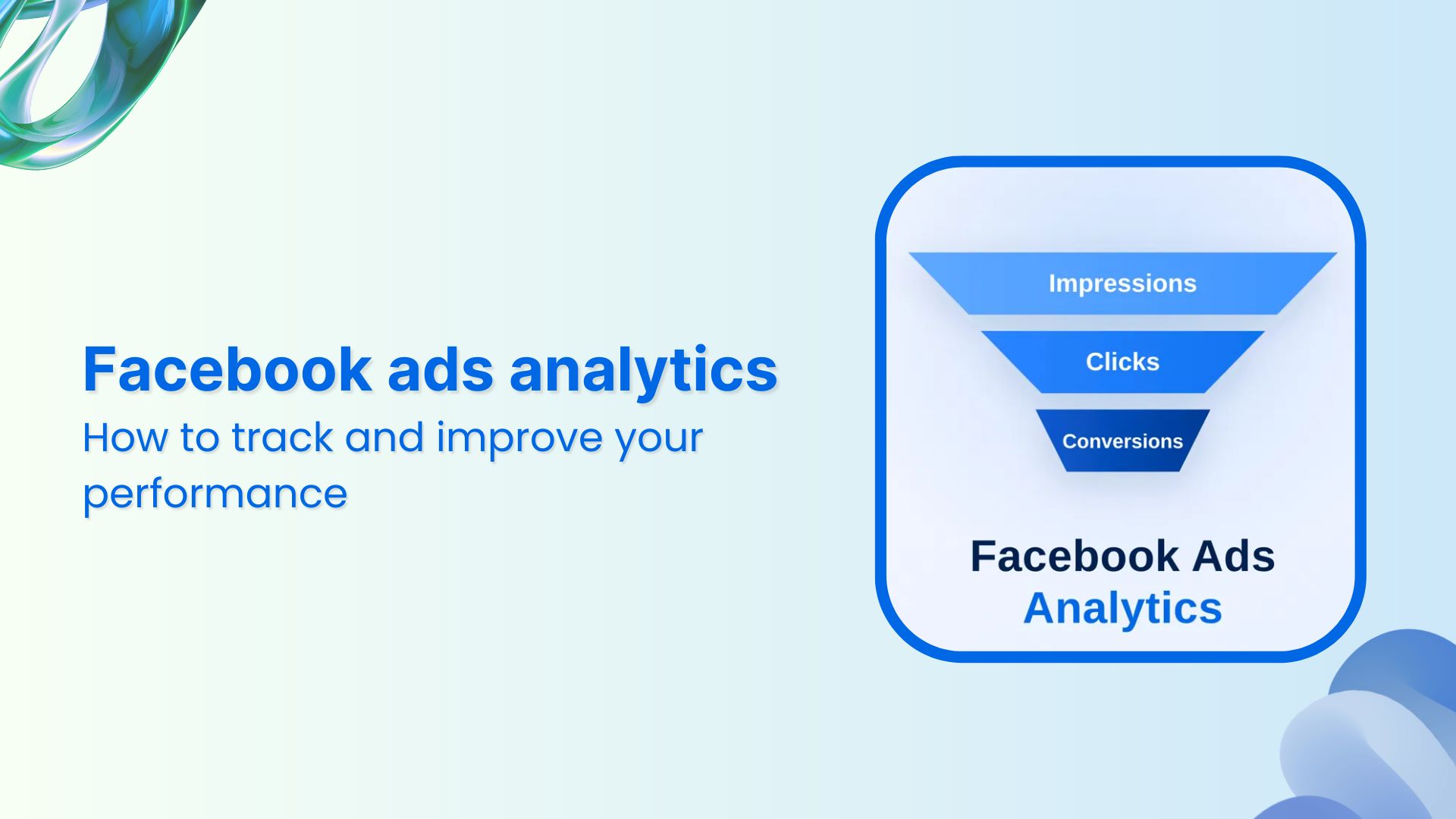
Facebook ads analytics: How to track and improve your performance
70 ChatGPT prompts for Facebook to drive reach and engagement
Facebook cover photo size: The complete 2026 guide
Ultimate guide to schedule Facebook posts, Reels & Stories