How to promote affiliate links on social media in 2026
Oct 2, 202616 minutes

Written by
Saif AliUpdated
In 2026, a silent feed is the same as a locked door. A strong social media presence is now one of the clearest ways to show what your brand stands for and reach people where they spend their time. It works a lot like a busy city street. Brands with a clear, steady presence own the bright storefronts that people notice and walk into.
Brands that post at random feel more like a closed shop on a side alley. Your audience checks feeds daily, follows the brands they trust, and forms quick opinions based on what they see. That means every post, reply, and message plays a part in how your brand is viewed. The good news is that you don’t need to post nonstop or be active on every platform to stand out.
What you need is a clear social media marketing plan, steady activity, and content that feels useful or interesting to the people you want to reach. Let’s discover how to create a brand presence on social media, how to assess your current activity, and practical ways to grow your brand across the key channels that matter most.
Simplified social media marketing for individuals & agencies.
Try ContentStudio for FREE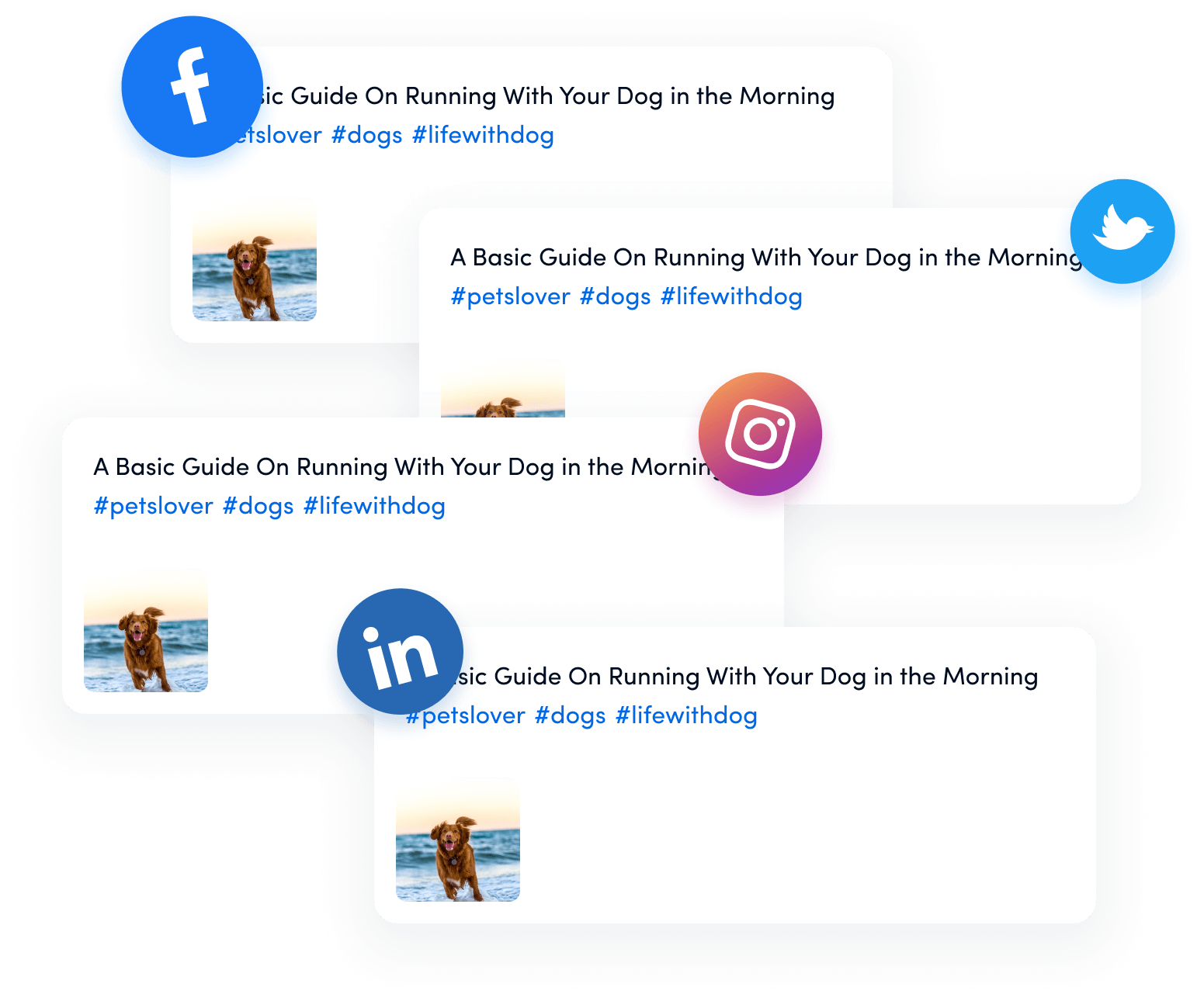
Your social media presence is the way your brand shows up and interacts across platforms like Facebook, Instagram, TikTok, LinkedIn, and X. It includes everything people see, read, and experience when they come across your profiles.
This includes your posts, replies, profile details, visuals, messages, and the overall tone you use. A strong social media presence goes beyond posting often. It reminds you of how clearly your brand communicates, how well you understand your audience, and how consistently you show up with content that feels relevant to them.
It also includes how quickly you respond, how you handle feedback, and the kind of conversation you create around your brand. When people search for you or discover you through a post, your social presence shapes their first impression. It helps them decide whether to follow you, trust you, or buy from you.
In simple terms, it’s the sum of your activity, visibility, and connection with your audience on social platforms. When a brand treats social channels as an active, two‑way space instead, social media becomes a key part of marketing, support, and community building.
Social networks now sit at the center of how people discover, research, and judge brands. Recent social media fact data indicate that demographic adoption is expanding across all age groups.
By 2026, this trend is even stronger. People spend more time on their feeds, look to creators for advice, and expect brands to be open in their communication. The difference between marketing, support, and community building is now much smaller.
When someone checks your profile, they’re not only looking for posts, they’re trying to understand how you speak, what you stand for, and how active you are. A steady, clear presence across the right platforms is now one of the simplest ways to stay visible, build trust, and connect with people at scale.
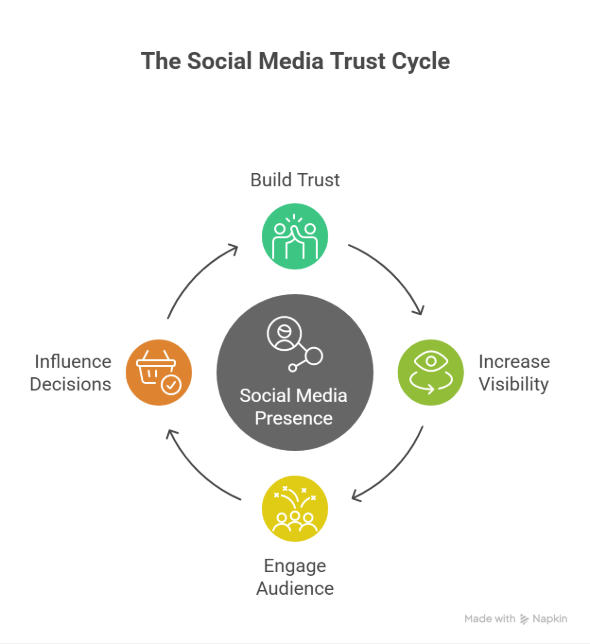
Here are the main reasons it matters in 2026.
In 2026, people trust brands that show real moments, customer clips, team posts, and open replies. A steady social media presence gives a clear look at how you work and helps answer quiet questions about quality and consistency.
Only posting during launches limits reach. Regular updates, even simple ones, signal that your account is active. This steady rhythm helps the social media algorithm show your posts more often, so every new campaign starts with a stronger foundation.
People now check social platforms before websites. They want to see recent activity, quick updates, and signs you respond. A clear, strong presence builds confidence that your brand is active, available, and paying attention.
Reports show that people, especially the younger generation, search on TikTok, Instagram, and Facebook almost as often as Google and even more. If your brand isn’t active there, you lose easy reach. It helps you show up in feeds, searches, and recommendations.
Tags, comments, and public conversations help people judge your brand. A strong social media presence shows how you respond, handle feedback, and interact with real users. This visible activity builds credibility and influences which brands people choose.
Before you plan new content or adjust your strategy, you need a clear picture of where your brand stands today. A simple audit helps you understand what’s working, what feels off, and where your biggest gaps are. Start with your profiles, move to your content, and then look at how people respond to you across each platform.
You can turn the audit into a short, repeatable checklist:
Include old or rarely used ones. Many teams discover forgotten pages that still show outdated logos or offers. Decide which accounts you will keep, which you will close, and who owns access for each one.
Check the handle, display name, bio, link, and contact info. All of these items should match your current positioning, product line, and brand style. Your colors, fonts, imagery, and tone are all expressions of your broader brand identity. If they feel inconsistent across profiles, the identity likely hasn’t been fully documented yet. Align cover images and profile photos so they feel connected, even if each platform has a slightly different layout.
Look at your content performance from the last three to six months. Identify posts that received high reach, saves, shares, or meaningful comments. Note themes, formats, and posting times for these wins.
Note follower growth, comment quality, DM volume, and how fast your team replies. Are people asking the same questions again and again? Do your replies sound human and helpful?
Pick a handful of direct competitors or brands you admire. Notice their posting rhythm, visual style, content types, and how they handle replies. The goal is not to copy them; it is to spot standards in your market and areas where your brand can stand out.
Once you gather all of this, you’ll have a clear view of your strengths and gaps, setting the stage for stronger, more consistent activity.
Once you understand your starting point, you can grow your social media presence with steady, practical moves. You do not need to apply every idea at once. Pick a few that match your current stage, your capacity, and the platforms that matter most for your audience.
Clear goals keep social media from turning into a busy but directionless task. Decide what you want it to do for your brand over the next six to twelve months. That could be stronger awareness, more leads, event sign-ups, direct sales, or better support.
Use a simple, no-nonsense version of the SMART approach. Instead of saying you want “more followers,” set something concrete, like gaining one thousand qualified LinkedIn followers by the end of the quarter.

Link that goal to a real business outcome, such as more demo requests or more booked calls. When the target is specific, your team knows what to create and how to judge progress.
A few practical goal examples:
Strong social media presence starts with knowing exactly who you want to talk to, i.e., the target audience. Go beyond age and location and write down what your ideal customers care about, fear, and hope to achieve.
Think about the problems they’re trying to solve when they search for content in your space and how those needs shape the way they choose brands. Look at your current analytics to see who already follows and interacts with you, using Social Media Analytics and metrics to understand engagement patterns and user behavior.
Notice which topics they respond to and what style of content earns thoughtful comments. Speak with sales and support teams to learn which questions come up before someone buys. Use all of this to shape your tone, themes, and posting style.
Then invite real conversation by asking simple questions, replying with care, and joining threads where your audience already talks.
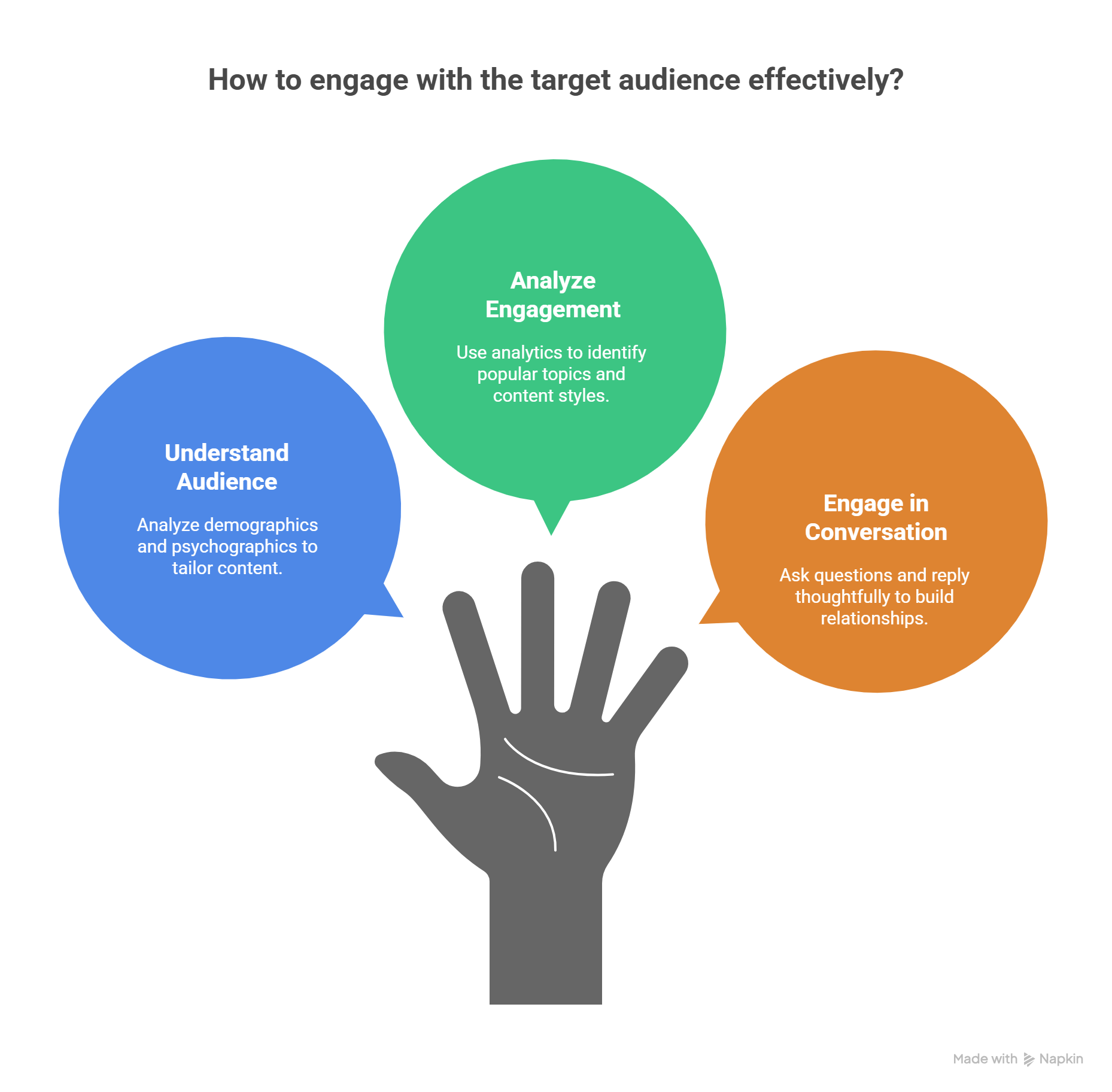
Engagement is part of your content, not something to squeeze in later. Treat comments and messages the same way you’d treat someone walking into your store and asking for help. That approach builds genuine relationships that lead to shares, reviews, and long-term loyalty.
People scroll past stiff, corporate posts without a second thought. Authentic content stands out because it sounds like real people speaking. This does not mean oversharing or posting with no plan. It means writing in plain language, showing faces, and being open about both wins and lessons.
Share behind‑the‑scenes clips from shoots, planning sessions, or customer calls when appropriate. Introduce team members and let them speak in their own words. Admit mistakes when they happen and explain how you plan to fix them. This steady honesty builds trust in a way polished campaigns cannot.
Authenticity also means staying true to your values when trends come and go. You do not need to jump on every meme or challenge to appear current. When you choose trends that fit your brand and skip the rest, followers learn what you stand for and why that matters.
You can keep it simple by asking before each post:
Related: How to Build an Effective Social Media Strategy in 2025
Consistency is what makes a brand feel familiar in a crowded feed. Your colors, fonts, logos, and tone should line up across every social channel, even if each network uses slightly different formats. When your posts look and sound the same, people recognize them, and that recognition builds over time.
Create simple brand guides for social that include visuals, voice, and clear rules. Share this with everyone who touches your accounts, from in‑house teams to agencies and freelancers. Use templates for stories, carousels, and thumbnails so your team can move more quickly without drifting from the style you want.
Consistency also applies to how you talk. Decide whether your brand uses first person or third person, jokes or straight talk, short captions or longer ones. Then stick with that style across platforms.
Tools like ContentStudio make it easier to keep branding aligned because you plan, write, and review posts for all channels from one shared calendar instead of jumping between apps.
Social platforms favor accounts that show up often and keep people watching, reading, or tapping. That does not mean posting twenty times a day. It means showing up on a schedule your team can maintain.
For many brands, that might look like three to five posts per week on primary channels and regular stories or short videos around key moments.
A simple content calendar keeps everyone on track:
This takes pressure off daily posting and makes it easier to batch content so your team always knows what’s coming next.
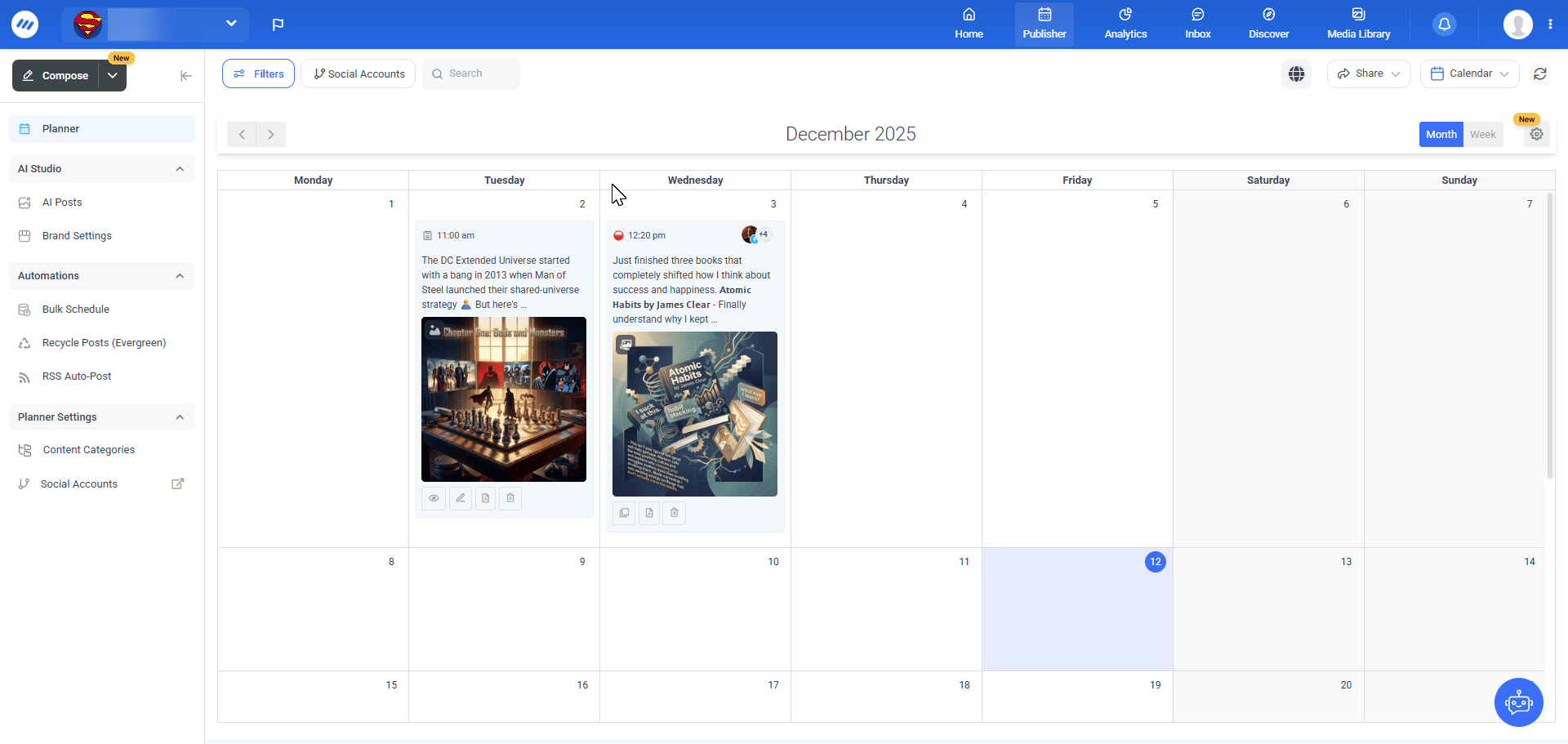
ContentStudio includes a visual social media calendar that lets you see all posts for all channels in one place. You can drag and drop posts, adjust timing based on recommended best times, and share the view with clients or leaders for quick approval. That structure makes a steady social media presence much easier to maintain.
Manual posting across multiple platforms can eat up entire days. Smart automation frees your team to focus on strategy and creative work. The key is to automate repeatable tasks, not human judgment or genuine conversations.
Use scheduling tools to line up posts for the week or month in one sitting. With ContentStudio, you can compose content once, adjust it for each network, and place it into preset queues.
The platform then publishes at the right time, including nights and weekends, without you needing to log in to each app. AI tools now help with ideas, outlines, and captions as well. ContentStudio’s AI assistant can suggest topics, draft copy in your brand voice, and even adjust tone for different platforms.
This speeds up creation while still giving humans final control. You can also use automation for reports so weekly or monthly performance summaries arrive in your inbox without manual exports.
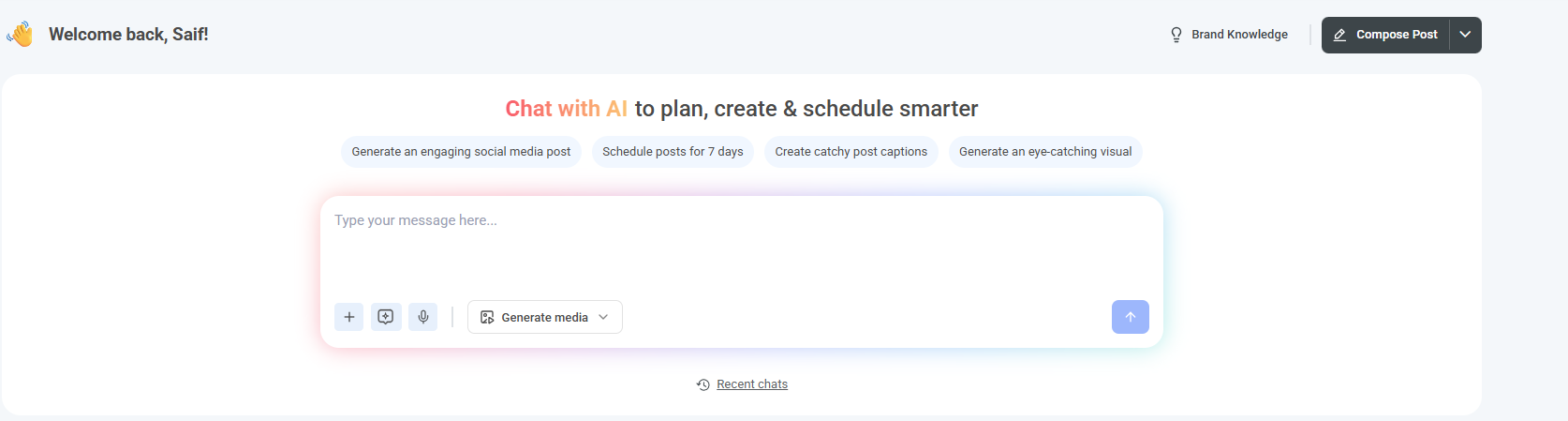
Just keep one simple rule: let automation handle timing and routine tasks, and let people handle conversations and judgment calls.
Not every platform is worth your time. A strong social media presence on two or three networks beats a weak presence on eight. Your choice should follow your audience and your content strengths.
If you sell to professionals, LinkedIn will likely be a main channel. If your brand relies on visuals like fashion, food, or travel, Instagram and TikTok may drive more impact. Local businesses may gain more from Facebook groups and Google Business Profile. Long‑form education might work best on YouTube.
A quick reference guide:
| Platform | Best for |
|---|---|
| Visual storytelling, short video, community | |
| TikTok | Short‑form video, trends, discovery |
| B2B marketing, hiring, and thought leadership | |
| Local reach, groups, mixed content formats | |
| YouTube | Long‑form video, tutorials, shows |
| X (Twitter) | Real‑time updates, commentary, support |
Review your audit and ask where you already see organic traction. Double down there before adding new networks. ContentStudio supports publishing to all major platforms, so once you are ready to expand, your team can manage them with the same workflows instead of starting from scratch in each app.
Feeds now favor variety. If you only post static images, you miss people who prefer quick videos or interactive elements. Mixing formats also keeps your creative team energized and gives you more chances to repurpose ideas.
Try short videos for tips, myths, or product demos. Use carousels to explain step‑by‑step processes or share frameworks. Mix in single-image posts, quote graphics, polls, and text‑only posts where they fit. The goal is not to chase every format but to find a healthy mix that fits your message and your capacity.
Some formats worth testing:
Good visuals help your posts stand out in busy feeds. Clear photos, simple graphics, and clean layouts make your message easy to understand at a glance. You do not need studio-level shoots for every post. Basic lighting, steady framing, and readable text can carry most of your content.
Use a small set of templates for thumbnails, carousels, and story frames so your posts look steady and familiar. Keep colors consistent, avoid clutter, and pick fonts that stay readable on both mobile and desktop. When you show real people or behind-the-scenes moments, keep the shots honest and straightforward.
Aim for visuals that support the message, not distract from it. If someone can understand the core idea within a second or two, the visual is doing its job. This clarity helps more people stop, read, and stay with your content.
Platforms reward early use of new features because they want more people to test them. Think about how early adopters of Instagram Reels or TikTok trends saw big spikes in reach.
You do not need to chase every update, but you should stay curious and test features that align with your goals. Examples include Reels and Shorts for quick vertical video, LinkedIn newsletters for deeper thought pieces, or Instagram broadcast channels for direct updates to top fans.
When you try a new feature, give it a fair test window instead of one post. Watch performance and feedback, then decide whether it deserves a permanent spot in your mix.

Check your analytics after each test. If a feature brings more reach or replies, keep it in rotation. If it does not, drop it and shift your energy back to what works. This balanced approach helps you stay current without chasing every update that comes along.
Trends give your content a boost when you use them wisely. They can range from audio clips and memes to conversation themes and cultural moments. The key is to pick trends that fit your brand voice and audience rather than copying everything that appears on your For You page.
If a sound, meme, or format helps you explain something clearly or join a conversation your community already cares about, use it. If it feels off-brand or distracts from what you want to say, skip it. Set aside time each week to scan relevant hashtags, sounds, and creator clips in your niche.

Look for patterns that match your message. Then adapt those trends with your own spin, whether through humor, education, or commentary. Always check that a trend does not clash with your brand values or sensitive topics.
The selective approach keeps your feed fresh and relevant without turning your content plan into a chase for whatever is popular that day.
A big follower number looks nice on a report, but real business impact comes from a community that cares. Community shows up through thoughtful comments, DMs, user‑generated content, and brand mentions that you did not pay for. Building that kind of base takes time and intention.
Create space for conversation by asking open questions and responding in a way that invites more than a yes or no. Highlight your followers by resharing their posts, running spotlights, or offering early access to new products.
Consider starting private groups or channels for your best customers or power users.
“People do not buy goods and services. They buy relations, stories, and magic.”
— Seth Godin, author and marketer
A unified inbox, like the one in ContentStudio, helps teams keep up with comments and messages from all networks in one place. This cuts missed questions and speeds up replies. When people see that you pay attention and respond with care, they start viewing your brand as part of their daily routine, not just another account they scroll past.
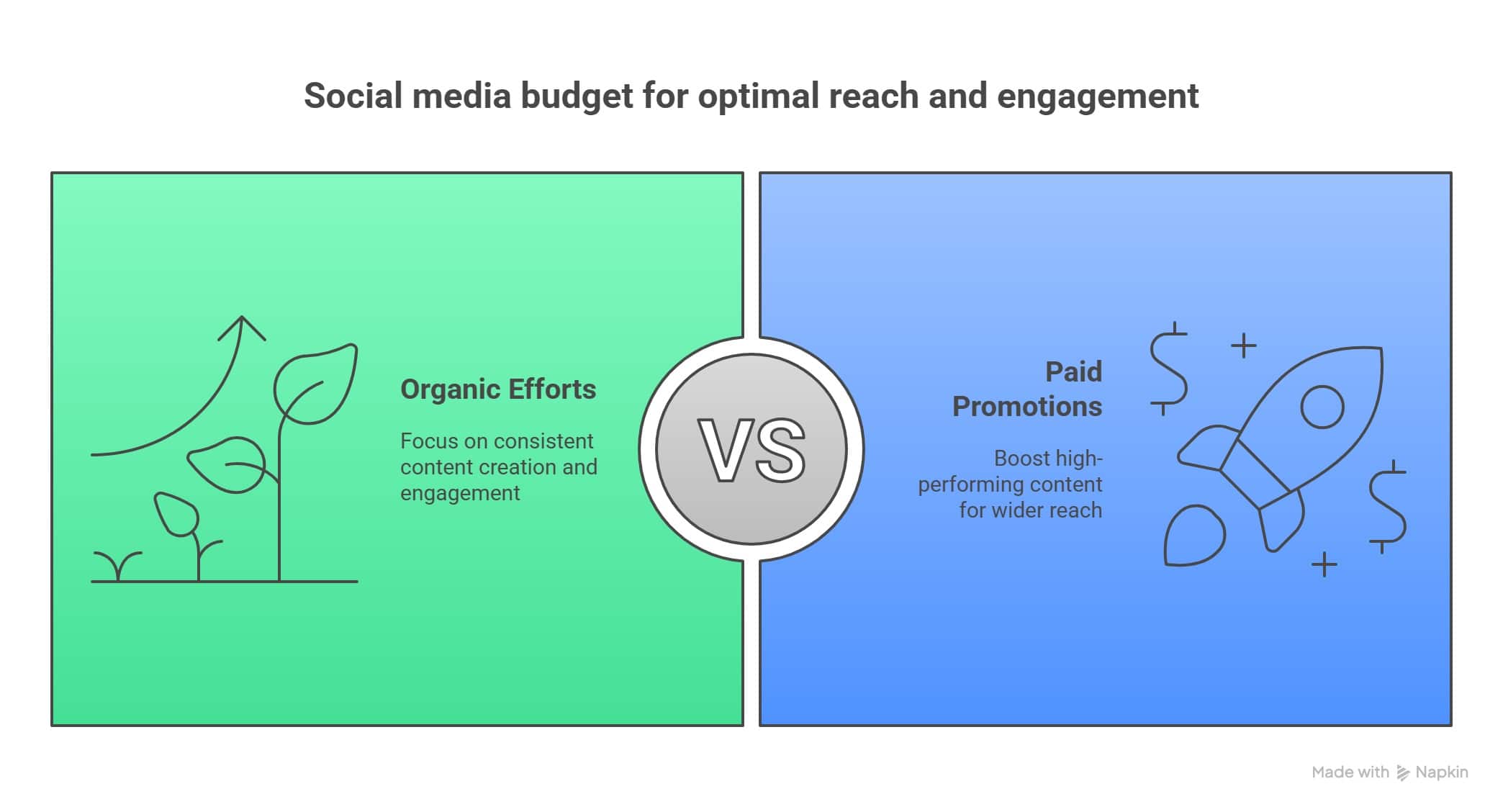
Organic reach can take you far, but a small amount of paid support often helps your best content reach the right people faster. Instead of boosting every post, pick ones that already perform well.
High organic engagement is a sign that a post will resonate with a wider audience. Set clear goals for each paid push. You might aim for more video views, profile visits, website clicks, or lead form fills. Use simple targeting at first, such as lookalikes of your current followers or visitors to your website.
Then adjust based on results. Consider allocating your budget with a flexible guideline, such as dedicating 70% to organic efforts and 30% to paid promotions.
By combining a consistent organic social media presence with smart paid boosts, you build brand familiarity while still meeting near‑term campaign goals.
Guessing on social is expensive. Analytics turn hunches into clear next steps. You do not need to inspect every metric every day, but you should review key numbers on a regular schedule. For most teams, a weekly glance and a deeper monthly review work well.
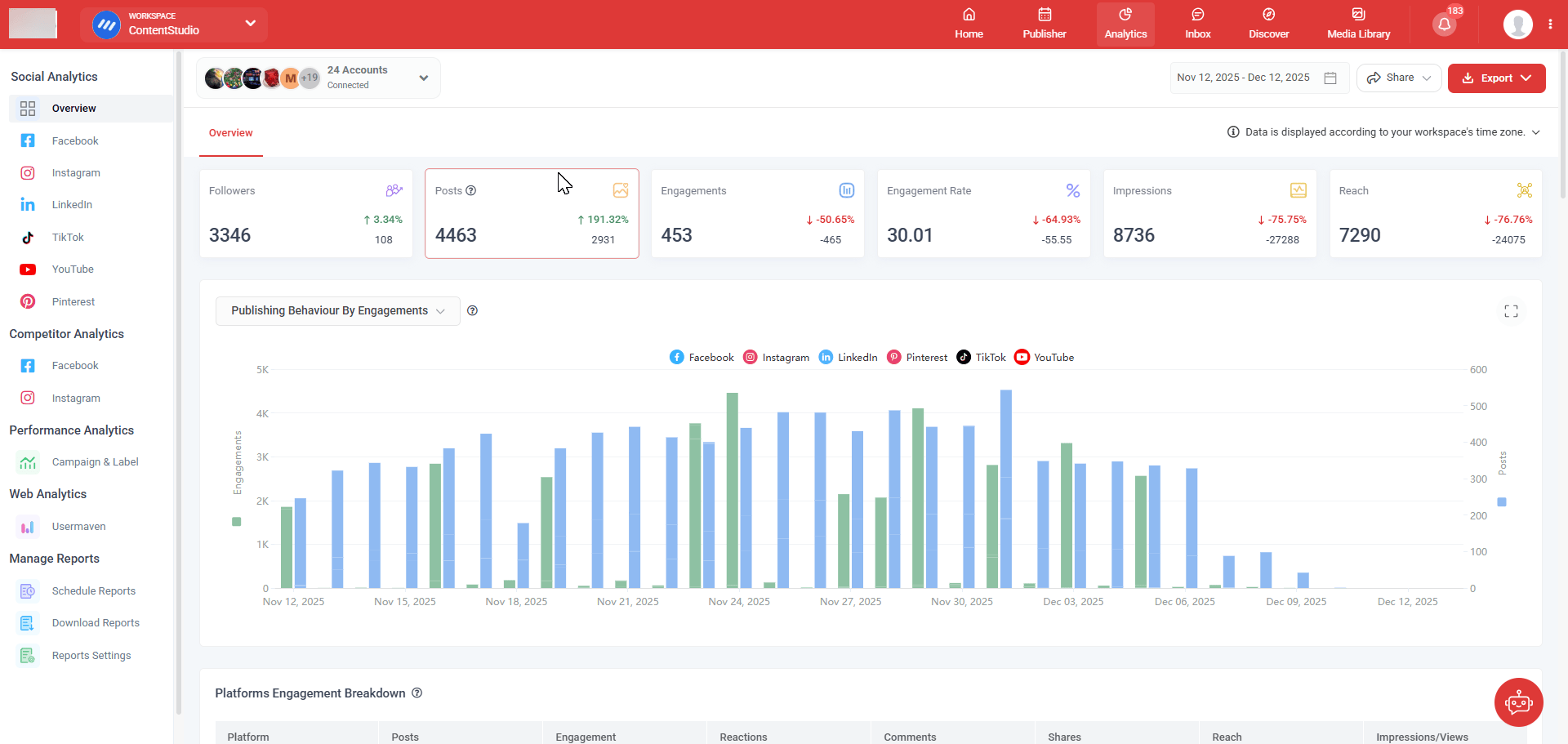
Watch reach, engagement rate, follower growth, link clicks, and conversions linked to social. Pay attention to which topics, formats, and posting times drive the strongest results. Over a few months, patterns appear that make planning much easier.
A simple focus list:
When you use insights, your social media presence improves with each cycle instead of repeating the same mistakes.
Learning from brands that already stand out on social helps turn theory into practice. These examples span different industries, but they share clear voices, consistent posting, and strong community focus.
Spotify builds steady attention through short, simple posts about music, artists, and moments listeners relate to. Their yearly Wrapped campaign drives huge activity because it turns each listener’s habits into a shareable story.
People post their results without being asked, which pushes the brand across every platform. This mix of steady updates and one major yearly moment keeps their presence strong.
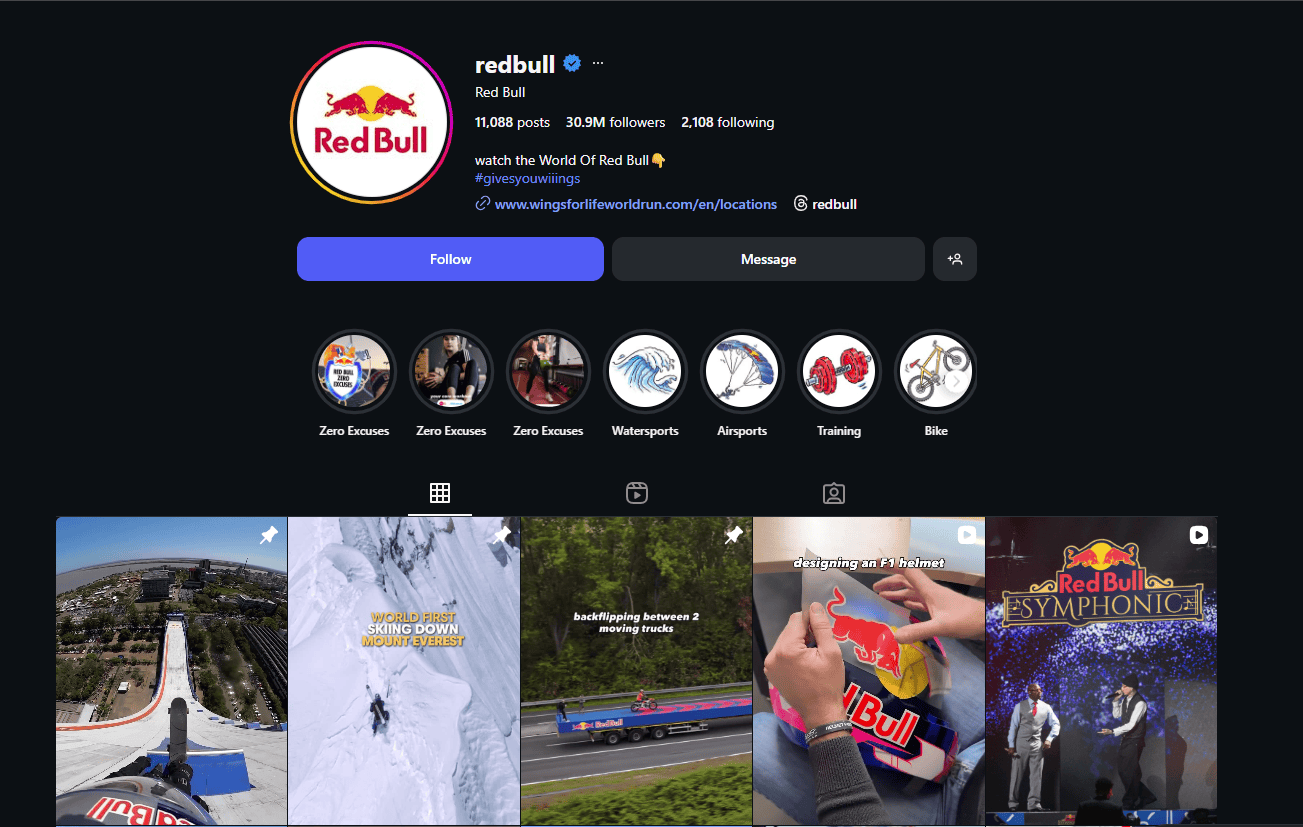
Red Bull posts high-energy clips from events, athletes, and creators across extreme sports, music, and culture. Their feed stays busy with short videos, quick highlights, and behind-the-scenes moments that pull viewers in fast.
Every piece fits the same bold tone, so people know what they’re getting the moment a video starts. That consistency keeps engagement strong across platforms.
Wendy’s relies on quick replies, direct humor, and short comments that invite conversation. Their team moves fast and stays active during trending moments, keeping the brand visible even when they’re not posting long-form content.

This style makes followers feel like they’re talking to a person, not a page. That ongoing interaction keeps the audience coming back.
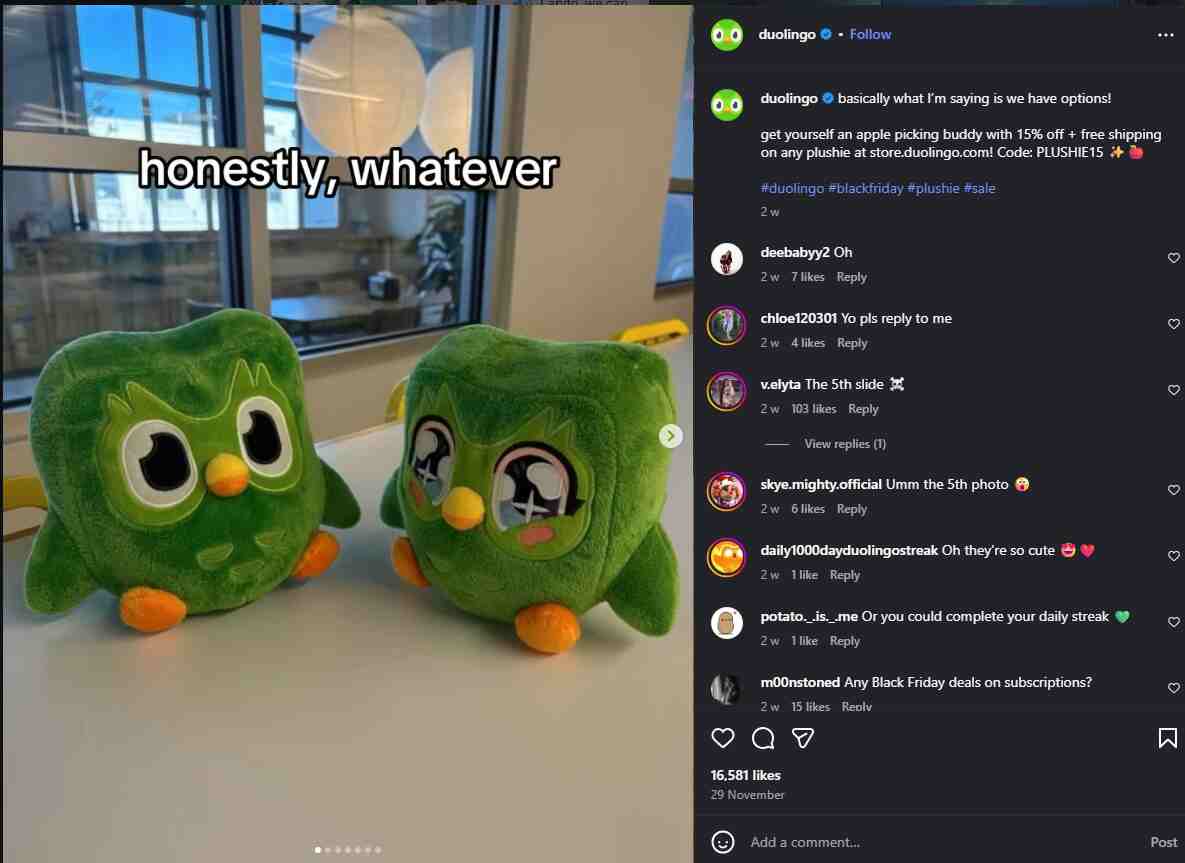
Duolingo built a style that feels bold, quick, and impossible to ignore. Their mascot drives most of the content, so every post feels familiar even when the topic changes. They mix humor, current events, and short reactions that pull people in fast.
This steady flow keeps the brand visible, memorable, and easy for followers to share without thinking twice.
Across these examples, three patterns stand out:
A strong social media presence is now a core part of brand building, not an optional extra. It shapes first impressions, supports search and discovery, and acts as a public record of how you treat customers.
Brands that treat social as a serious channel gain attention, trust, and revenue that slower competitors leave on the table. You do not need a massive team to appear steady and thoughtful online.
With a clear calendar, a handful of tried and tested formats, and a willingness to speak like a real person, your channels start to work together. From there, analytics guide small tweaks that add up to big gains over time.
If your team wants a single platform to support this system, ContentStudio is worth a close look. Plan posts, track performance, and manage every channel from one place. Start your 14-day free trial and see how much smoother your workflow can be.
Plan, schedule, share, and analyze content for 15+ social media channels.
Try ContentStudio for FREE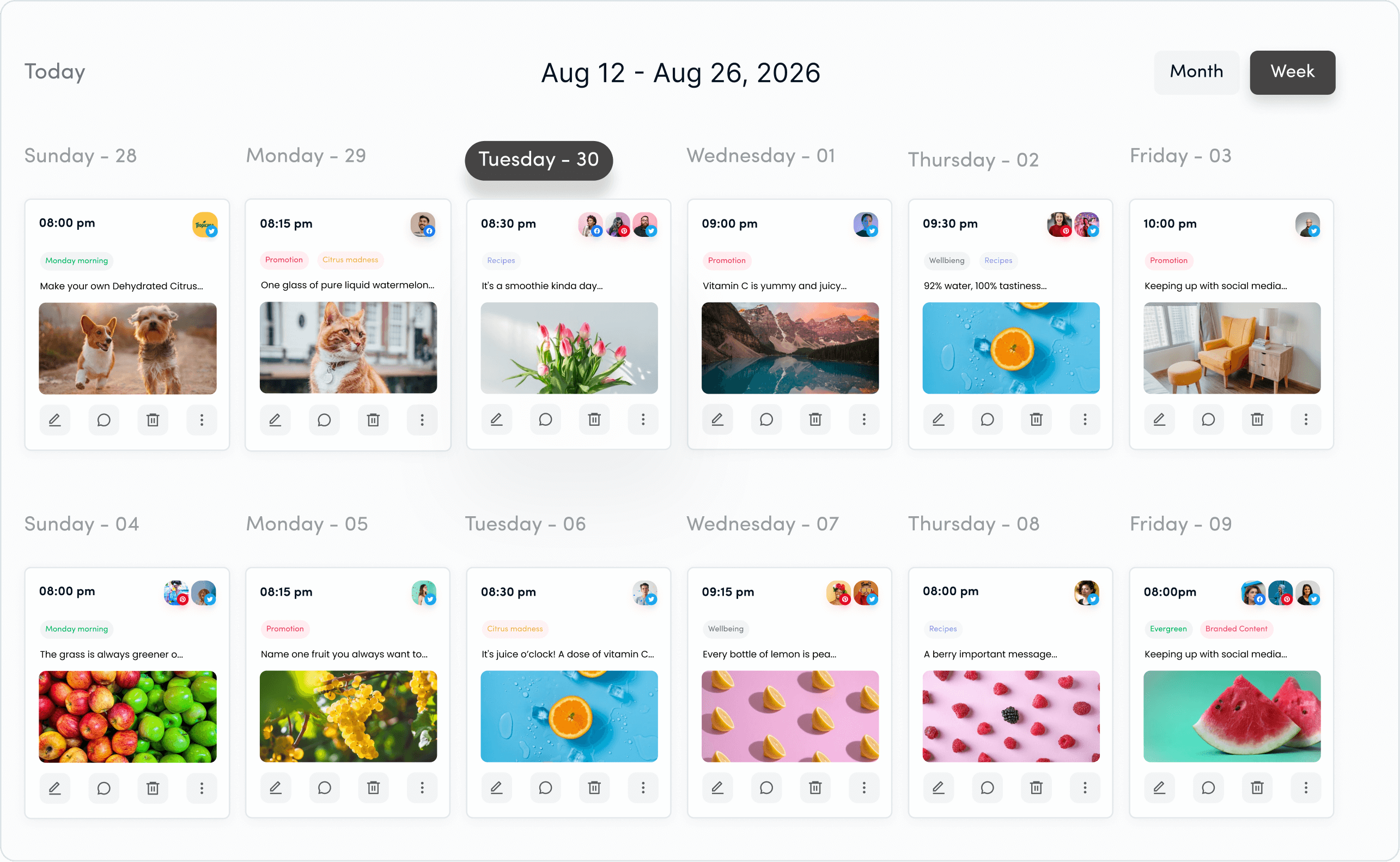
Start by deciding what your brand should stand for in social spaces and who you want to reach. Write simple statements for your voice, values, and visual style so every post feels aligned. Then pick two or three platforms where your audience already spends time and set clear goals for each one. Use a calendar to plan content that helps, teaches, or entertains rather than only promoting.
A clear social media presence makes it easy for people to find, research, and trust your brand. Many buyers now check social channels before they fill out a form, place an order, or book a call. They want to see recent posts, real customer stories, and how you respond when someone has a problem. Without that presence, you look out of date or inactive, even if your product or service is strong.
Good management starts with a simple process. Define roles for planning, creating, approving, publishing, and responding so nothing falls through the cracks. Use a shared calendar to plan content at least a week or two ahead and batch creation where possible. Set aside daily time blocks for engagement so comments and DMs never sit for days.
Growth comes from consistency, value, and feedback, not quick tricks. Post on a steady schedule with content your audience actually cares about, then watch analytics to double down on what performs best. Engage with people who comment, share, or tag you so they feel noticed and more likely to spread the word.
Plan 0 Days of Content in 0 Minutes
Create, schedule, publish and analyze your content across all your social media channels from one simple dashboard.
4.7 on Capterra • 16,500+ marketers trust ContentStudio
Saif Ali is a Content Marketing Strategist at ContentStudio with over five years of experience across SaaS, IT, and digital marketing. He specializes in SEO-led content, AI content creation, and social media strategy, and leads editorial review at ContentStudio, fact-checking and refining articles for accuracy, SEO, and a consistent brand voice.
View all posts by Saif AliRecommended for you
How to promote affiliate links on social media in 2026
Multi-location social media management workflow guide
Best SaaS affiliate programs for social media marketers in 2026
19 best social media management tools to plan, schedule, and grow in 2026