Cap

What does "cap" mean in slang?
In modern slang, "cap" is a term that refers to lying, exaggerating, or making a false statement. When someone says "that's cap," they are accusing another person of lying. Conversely, "no cap" is used to emphasize honesty, meaning "I'm serious" or "I'm not lying."
The origin of "cap"
The slang term "cap" originated in African American Vernacular English (AAVE) and has roots in hip-hop culture. While the exact origins are debated, some link it to the phrase "high cap," which was used in Southern Black communities to describe someone who boasts or brags excessively. Over time, the term evolved, and "capping" became synonymous with lying or exaggerating.
How did "cap" become popular?
The widespread use of "cap" and "no cap" can largely be attributed to hip-hop artists and social media influencers. Rappers like Young Thug and Future popularized the phrase in their music, particularly in the song "No Cap" (2017). As social media platforms like TikTok, Twitter, and Instagram embraced the term, it quickly became a mainstream part of digital conversations.
"Cap" vs. "No cap"
- Cap: Used to indicate that someone is lying or exaggerating. Example: "You got a million dollars? That's the cap!"
- No Cap: Used to emphasize truthfulness. Example: "This is the best pizza I've ever had, no cap!"
Common variations of the slang "cap"
- Stop Capping: A phrase used to tell someone to stop lying. Example: "You didn't meet Drake last night, stop capping."
- Big Cap: Indicates an obvious or extreme lie. Example: "You finished the test in five minutes? That's the big cap."
- Capping: The act of lying or exaggerating. Example: "He's always capping about his job."
How to use "cap" on social media
Social media users frequently use "cap" and "no cap" in comments, tweets, captions, and memes. Here are some ways the term is incorporated online:
- Calling out a lie: If someone posts something unbelievable, others might comment "cap" to suggest it's untrue.
- Emphasizing honesty: People use "no cap" before or after statements to stress that they are being truthful.
- Hashtags and memes: The hashtag #NoCap is often used to make posts more relatable, and memes featuring "cap" frequently trend on platforms like Instagram and TikTok.
Examples of "cap" in conversations
- Person A: "I just ran 10 miles without stopping."
- Person B: "That's cap."
- Person A: "No cap, this is the best burger I've ever had."
- Person B: "I gotta try it then!"
- Person A: "He said he met the president."
- Person B: "Big cap!"
The influence of "cap" on pop culture
Beyond social media, "cap" has infiltrated mainstream pop culture. Celebrities, athletes, and brands have adopted the term in marketing campaigns, interviews, and public statements. The slang continues to evolve and remains a staple in digital communication.
Using "cap" in content creation
For content creators and brands looking to connect with younger audiences, understanding how to use "cap" appropriately is crucial:
- Content authenticity: Use "no cap" to emphasize genuine product features or honest reviews
- Community engagement: Recognize when followers use "cap" in comments to address concerns authentically
- Trend participation: Join trending "cap"-related challenges while staying true to your brand voice
- Cultural sensitivity: Acknowledge and respect the term's origins in AAVE while using it appropriately
Platform-specific usage
Different platforms have unique ways of incorporating "cap":
- TikTok usage: Often used in TikTok trends and video captions
- Instagram style: Commonly appears in Story responses and Instagram captions
- Twitter format: Frequently used in quote tweets and replies
- YouTube context: Popular in comment sections and video titles
Related social media slang
Understanding "cap" opens the door to other modern social media slang terms:
- Fr: "For real" - Often used alongside "no cap"
- On God: Similar to "no cap," emphasizing truth
- Sus: Suspicious - Can be used when something seems "cap"
- Bussin: Extremely good - Often emphasized with "no cap"
Best practices for brands
When incorporating "cap" into your social media strategy:
- Authenticity first: Only use the term when it fits naturally with your brand voice
- Context matters: Understand the appropriate situations for using "cap" vs. "no cap"
- Audience awareness: Consider your demographic before incorporating slang terms
- Timing is key: Use the term while it's relevant but be ready to adapt as language evolves
Measuring impact
Track how using "cap" affects your social media engagement:
- Engagement metrics: Monitor reactions when using the term in posts
- Audience response: Observe how different age groups interact with slang content
- Viral potential: Note which uses of "cap" generate more shares and saves
- Community feedback: Listen to how your audience responds to slang usage
Conclusion
The slang term "cap" has become a defining phrase in modern language, especially among younger generations. Whether used to call out a lie, emphasize truthfulness, or create viral content, "cap" and "no cap" are now widely understood across social media platforms and pop culture.
With its strong roots in AAVE and hip-hop, "cap" is a testament to how language constantly evolves and spreads through different communities.
For brands and content creators, understanding and appropriately using terms like "cap" can help create more authentic connections with younger audiences while respecting the term's cultural origins.
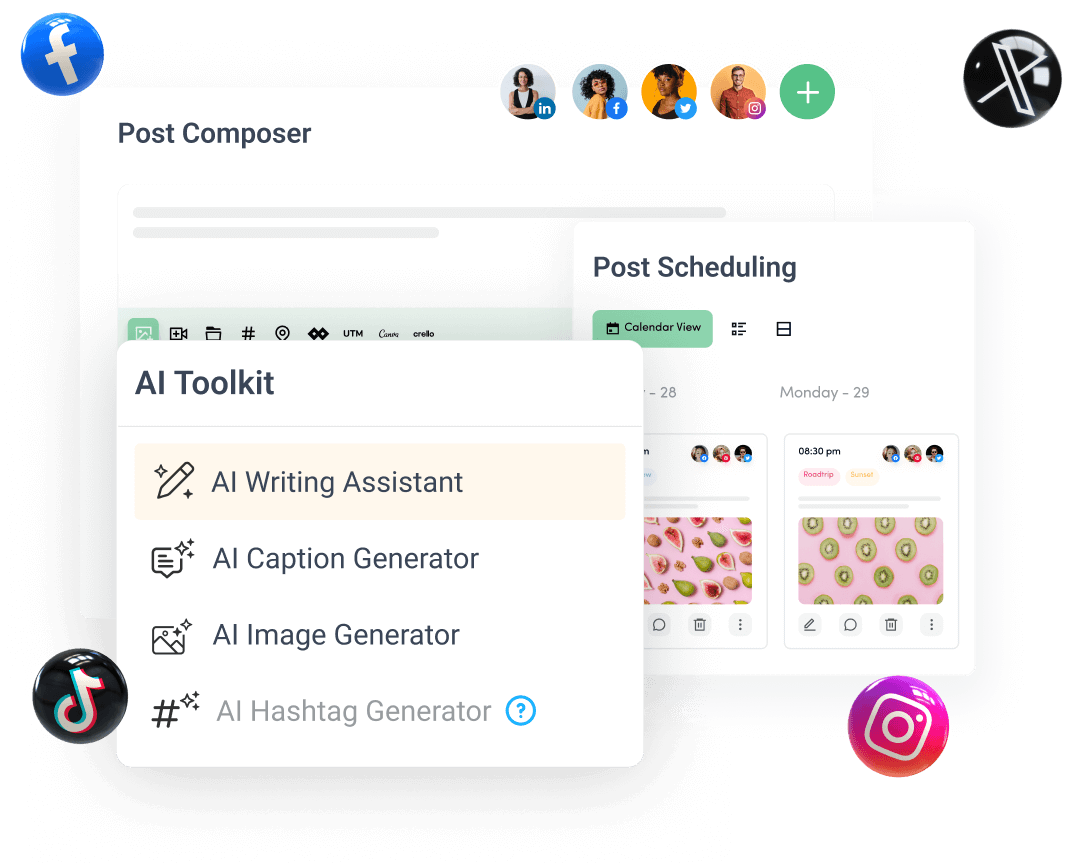
Create, plan, schedule, and publish posts on all social media networks